
31 August 2026
Buying A House With A Resin Driveway In Rochdale: What To Check Before You Commit
Estate agents in Rochdale have learned to put “resin driveway” in the listing headline, and for good reason: it photographs well and it signals a house that has been spent on. What the listing cannot tell you is whether that surface was laid by a specialist over a properly built sub-base or thrown down in a weekend over tired concrete by a firm that no longer exists. The difference is worth thousands, and unlike the boiler or the wiring, you can assess most of it yourself, from the pavement, before you have even rung the agent back. Buyers pay for surveys, searches and solicitors and then walk straight past the one part of the property that is fully on display. Here is how to read a resin driveway when the house it belongs to is one you are thinking of buying.
The One Part Of The House You Can Inspect Without An Appointment
Everything else you will buy with that house hides itself. The roof is four storeys up, the damp course is behind render, the boiler’s service history is a folder the seller may or may not find. The driveway sits in full view at all hours, and a resin bound driveway in particular tells you its story on the surface, because the failures that matter eventually print through from below.
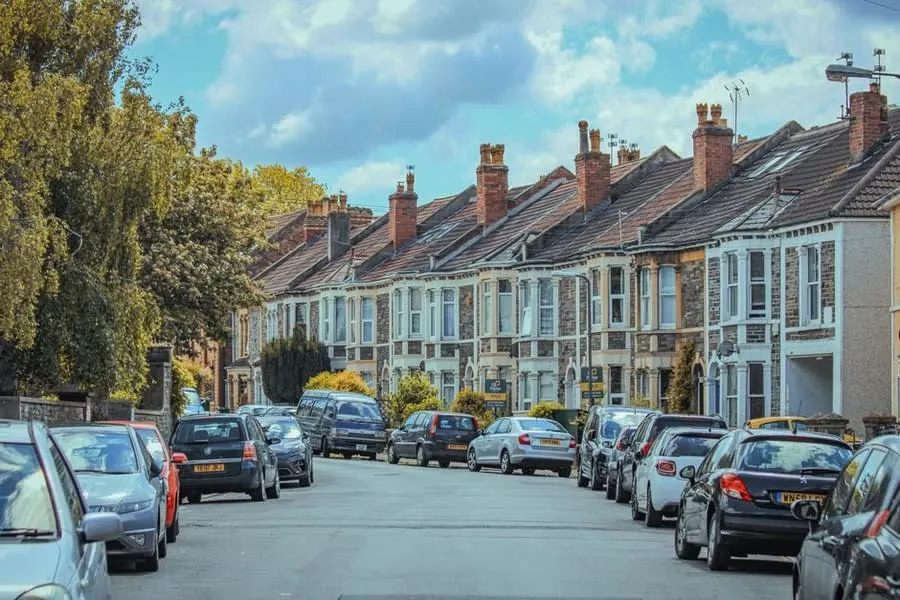
Do a drive-by before the viewing, ideally after rain, which in this borough rarely requires planning. Wet weather is the honest state of a Rochdale drive: water should be disappearing through the surface rather than gathering on it, because resin bound is permeable by design. Puddles that sit for hours mean the stone has clogged with years of unwashed silt, or the sub-base beneath was never the open, free-draining build-up it should have been. One is a maintenance job. The other is the expensive kind of news, and you have just obtained it for free.
Five Minutes On The Surface Itself
At the viewing, give the drive the five minutes you would give a used car’s bodywork. Crouch at the edges first. Loose stones collecting along borders or scattering onto the lawn mean the binder is failing or was mixed lean to save money, and edges are always the first confession.
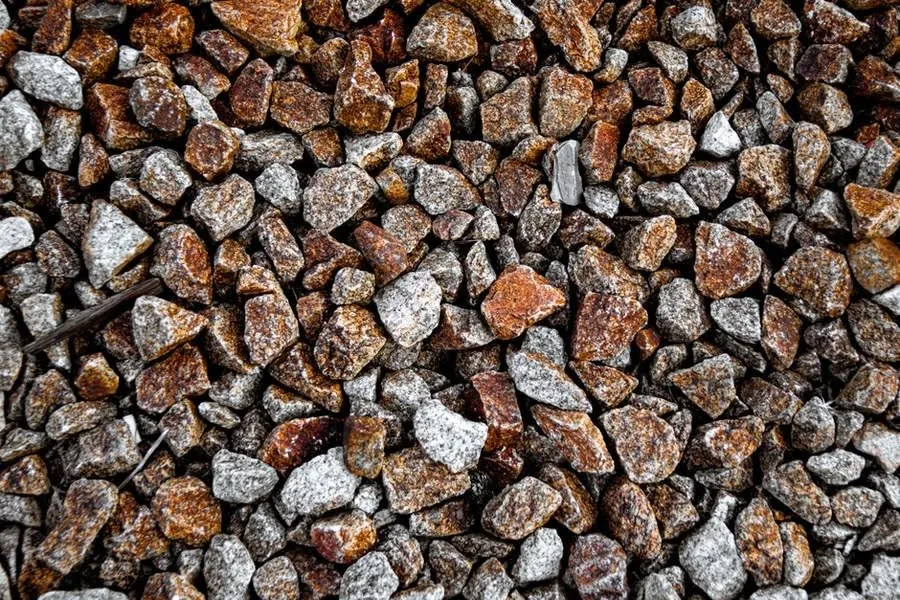
Then read the cracks, if there are any. A hairline running in a straight line is telegraphing a joint in whatever lies underneath, usually old concrete that was overlaid rather than dug out. Random fine crazing in one area often means the mix went down on a hot day or was over-trowelled, which is cosmetic. Wide cracks with one side sitting lower than the other mean movement in the ground itself, and no surface repair fixes ground. Finally, compare the sunny and shaded parts of the drive. If the open areas have yellowed while the shaded strip by the fence holds its colour, the installer used non-UV-stable resin, the cheapest corner there is to cut, and the drive will keep ambering for years.
What Your Survey Will And Will Not Tell You
Buyers often assume the surveyor has the driveway covered. Mostly, they do not. A standard RICS Home Survey Level 2 - the product most Rochdale buyers purchase - includes a visual inspection of the grounds, and the RICS consumer guide to house surveys is candid that surveyors report what is visible without opening anything up. A visibly cracked drive may earn a sentence. Nobody is coring the surface to measure sub-base depth or naming the binder that was used.

The HomeOwners Alliance guide to homebuyer surveys makes the same point about every element of a property: the survey flags symptoms and recommends specialists. So treat the driveway the way you would treat a flagged roof: if what you saw in your five minutes worries you, ask a resin specialist to look before exchange, not after. A quick professional opinion costs little or nothing and converts a vague worry into either reassurance or a number you can negotiate with.
The Paperwork Worth Asking The Seller For
Sellers expect to be asked for FENSA certificates and boiler records. Almost nobody asks for the driveway file, and it is exactly as revealing.

Four documents earn their place in your conveyancing bundle. The installation invoice, which dates the drive and names the installer, letting you check in thirty seconds whether that firm still trades. The written guarantee, where the clause that matters to you is transferability - some guarantees follow the property, many die with the original customer unless transferred in writing, and a transfer is far easier to arrange while the seller is still motivated. Any sub-base specification or job photos, which conscientious installers supply and cowboys never do. And if the drive replaced a front garden, the dropped kerb consent from the council, because a drive that meets the road over an unconsented crossing is a liability that transfers to you at completion.
What Rochdale Itself Does To A Driveway
Local conditions are the context for everything above, because the same installation lasts differently in different towns. Rochdale sits against the Pennines and takes noticeably more rain than the national average, which is precisely why permeable resin suits the borough - and why a resin drive that is not draining has failed at the thing this climate most requires of it. You can check the flood picture for any address you are considering through the government’s long term flood risk service, which is a sensible step for any purchase near the borough’s watercourses.
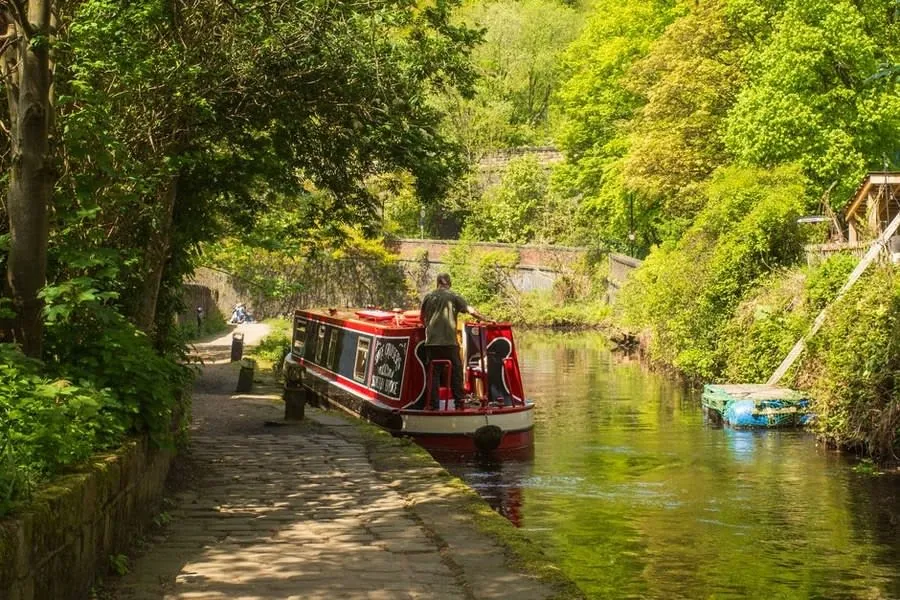
Ground matters too. Much of the housing stock you will be viewing - stone terraces in Milnrow and Littleborough, brick semis in Castleton and Kirkholt, newer estates towards Norden - sits on clay-heavy ground that swells and shrinks with the seasons, and on the borough’s hills plenty of drives carry a gradient. Both put more demand on the sub-base than a flat drive on gravel soils would face, which is why the condition signs in this article lean so heavily on evidence of movement. If the drive you are inheriting shows those signs, our guide to whether a cracked or sunken resin driveway is worth repairing or replacing walks through that decision in detail.
Turning What You Found Into A Decision
Most resin drives you view will pass every check here, because most were laid properly, and you can move on knowing the house comes with a surface that asks nothing of you but an occasional sweep. Where the checks raise problems, you have three honest options: accept the drive as it is with your eyes open, price the remedy and negotiate it off the purchase, or make the sale conditional on the seller sorting the paperwork that is missing. All three are better than the default, which is noticing none of it until the first wet winter in your new house.
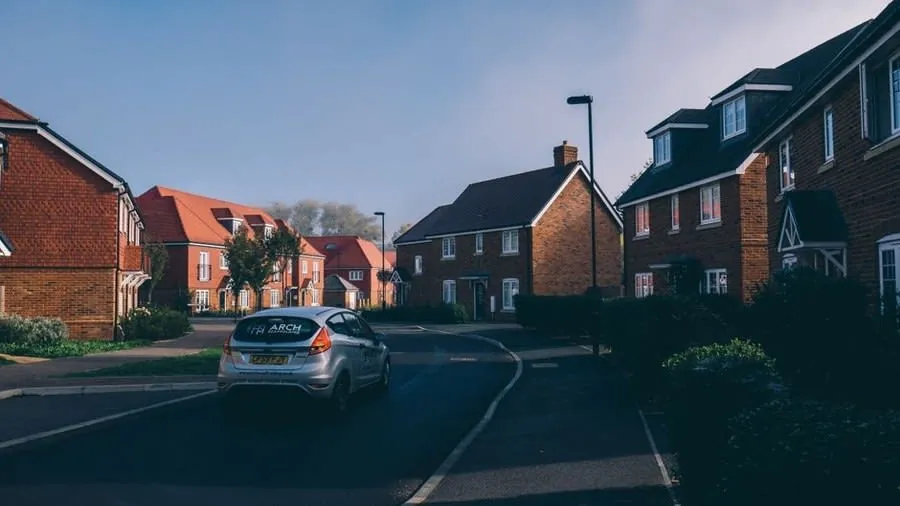
And if you have completed on a house whose drive turned out to be the second kind, the situation is recoverable more often than people fear: surfaces can be patched, rebound or replaced, and quotes cost nothing. Ask us to look at a driveway you have inherited in Rochdale and you will get a straight answer on whether it needs anything at all.
Frequently Asked Questions
Is a resin driveway a good sign or a red flag when buying a house?
On its own, neither. A properly installed resin bound surface is a genuine asset: decades of life left, no weeds to fight, nothing to reseal. A badly installed one is a liability dressed up as a feature, because the faults live in the sub-base where you cannot see them. The condition checks that separate the two take about five minutes: look for cracks that follow straight lines, dips that would hold water, loose stone gathering at the edges, and yellowing in areas the sun reaches.
Can a resin driveway guarantee be transferred to a new homeowner?
Some can, some cannot, and the wording decides. Many workmanship guarantees are issued to the original customer only and quietly die on completion day of the house sale. Others transfer automatically or on written request to the installer, sometimes for a small fee. Ask the seller for the guarantee document itself, read the transfer clause, and if transfer needs the installer’s confirmation, get it done before exchange rather than after.
How can I tell how old a resin driveway is?
Ask the seller first, since they will usually know to the year. If the answer is vague, the surface offers clues: crisp stone texture and strong colour suggest under five years, some dulling and traffic sheen suggests five to ten, and noticeable fading, isolated cracks or thinning patches where car wheels sit point to an older or poorer installation. The paperwork is the reliable route, because an installation invoice carries a date and the guarantee clock runs from it.
What does it cost to put right a resin driveway you have inherited?
Small localised repairs, such as patching a damaged corner or rebinding a worn strip, tend to run in the low hundreds. Widespread cracking, standing water or a surface breaking up across its area points at the sub-base, and remedial work at that level means substantial reconstruction - at which point you are realistically looking at a replacement, typically £2,500 to £5,000 around Rochdale. That range is worth knowing during conveyancing, because it is a defensible negotiating figure if the drive is visibly failing.