
14 August 2026
Can You Park a Van or Heavy Vehicle on a Resin Driveway in Rochdale?
Plenty of Rochdale homes have more than a car to park. Work vans, a motorhome for the summer, a caravan, the occasional trailer of materials - all of it lands on the driveway, and all of it weighs a good deal more than a family hatchback. So the question comes up a lot: will a resin driveway actually take it, or is resin just for cars? The honest answer is that resin bound handles heavy vehicles well, but only when the part you never see is built for the job. The resin on top is the same either way; it is the sub-base underneath that decides whether your drive shrugs off a loaded van or slowly gives way beneath it. Here is what that means in practice.
The Short Answer: Yes, With the Right Base
A resin bound driveway will happily carry a van, and in most cases a motorhome or caravan too. There is nothing about the surface that objects to weight - resin drives are used on commercial forecourts and car parks that see far heavier traffic than a domestic van.
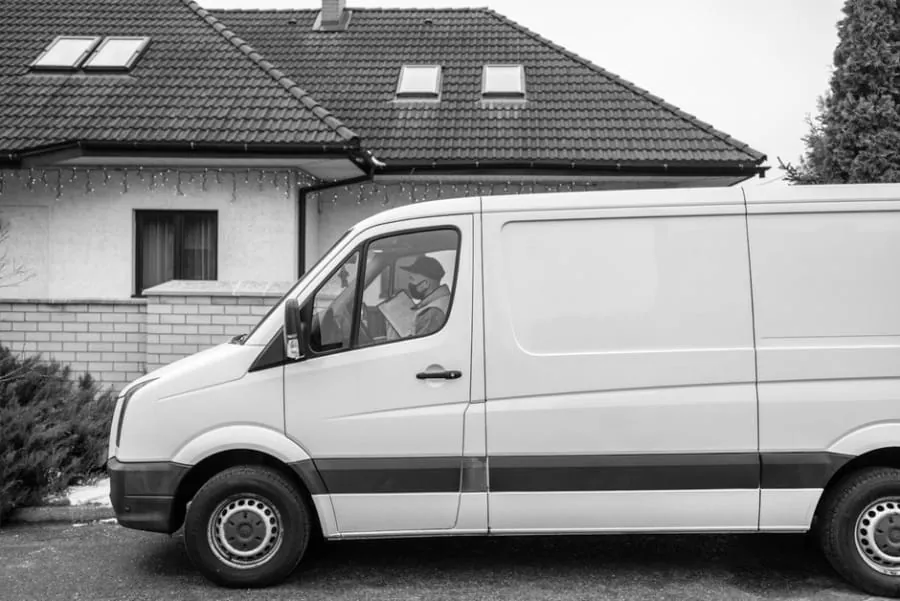
The catch, and it is the whole catch, is that the strength has to be designed in from the ground up. A drive built for a Fiesta and a drive built for a loaded Transit look identical on the surface but are very different underneath. If you park anything heavy, that has to be known before the digging starts.
It’s the Sub-Base, Not the Resin, That Bears the Weight
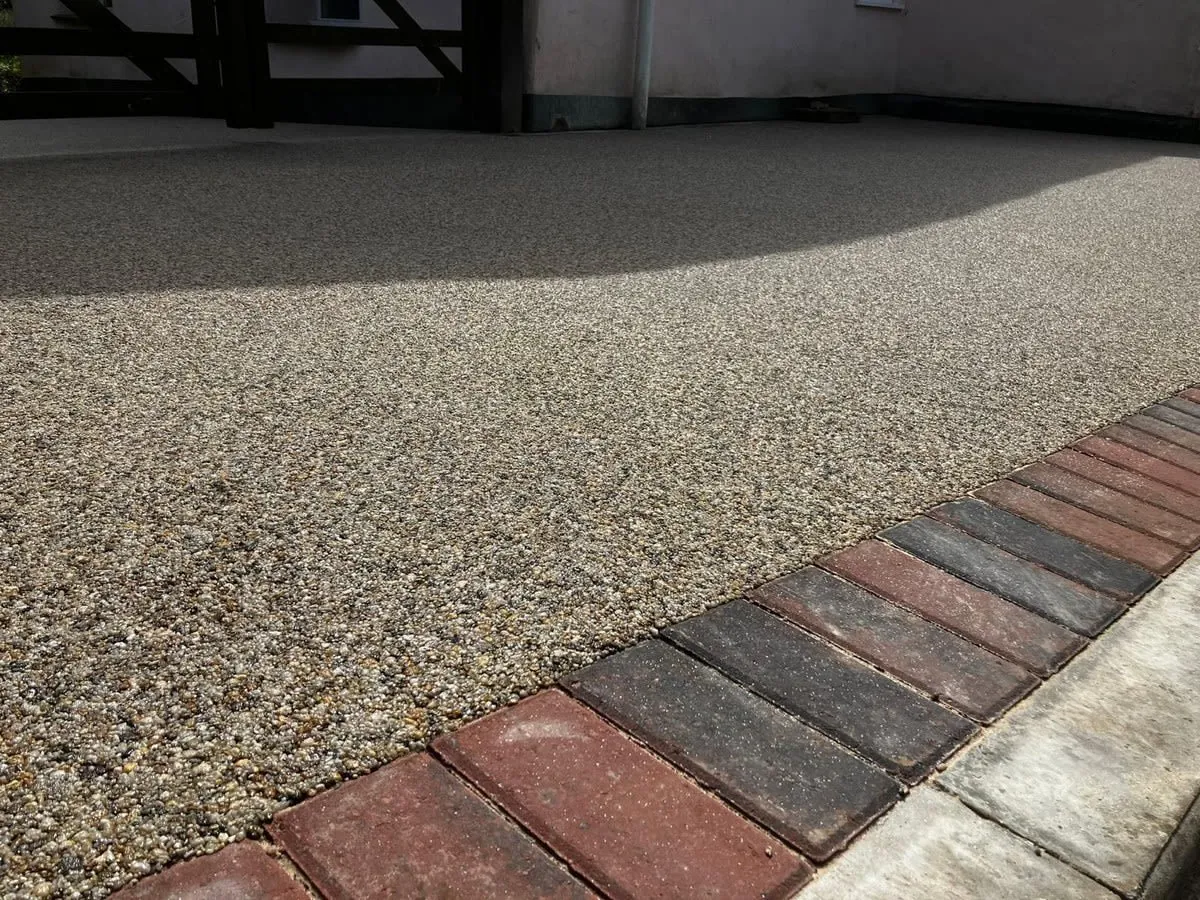
This is the single most important thing to understand. The resin and stone you see is only 15 to 18mm thick - it does not carry the load. Underneath sits a compacted, permeable sub-base of crushed stone, and that is the structural layer that spreads a vehicle’s weight into the ground.
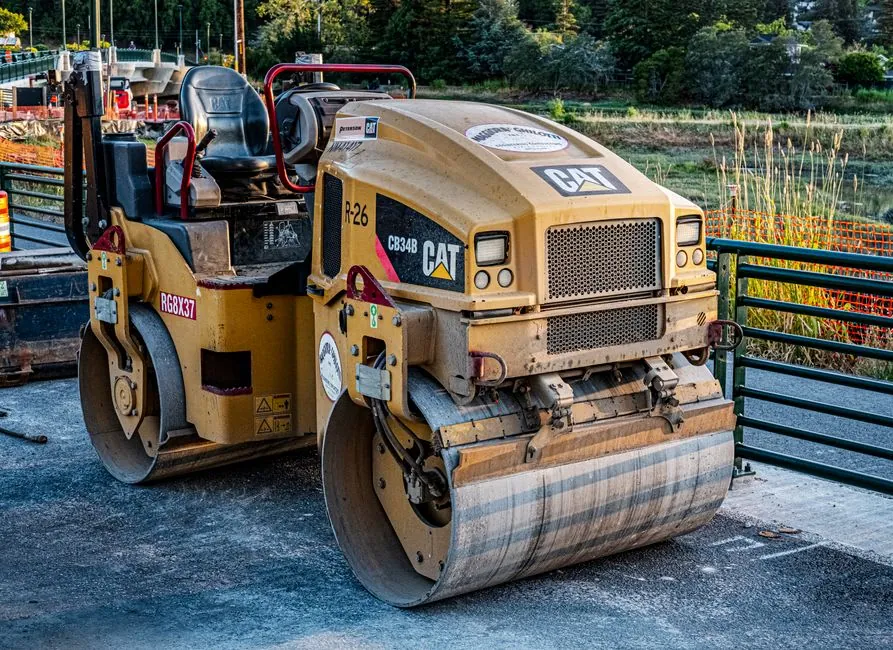
For a heavier vehicle, that sub-base needs to be deeper and more thoroughly compacted. Get it right and the load is spread safely; get it wrong and no amount of quality resin on top will save it. Our resin bound driveways page covers how the layers work together, and the base is where a van-ready drive is really made.
How Heavy Can You Go? Vans, Motorhomes and Caravans
For everyday work vans - Transit, Sprinter and the like - a properly built domestic resin drive copes without fuss. Motorhomes and loaded caravans ask more, both because they are heavier and because they tend to sit parked in the same spot for weeks, concentrating the load.
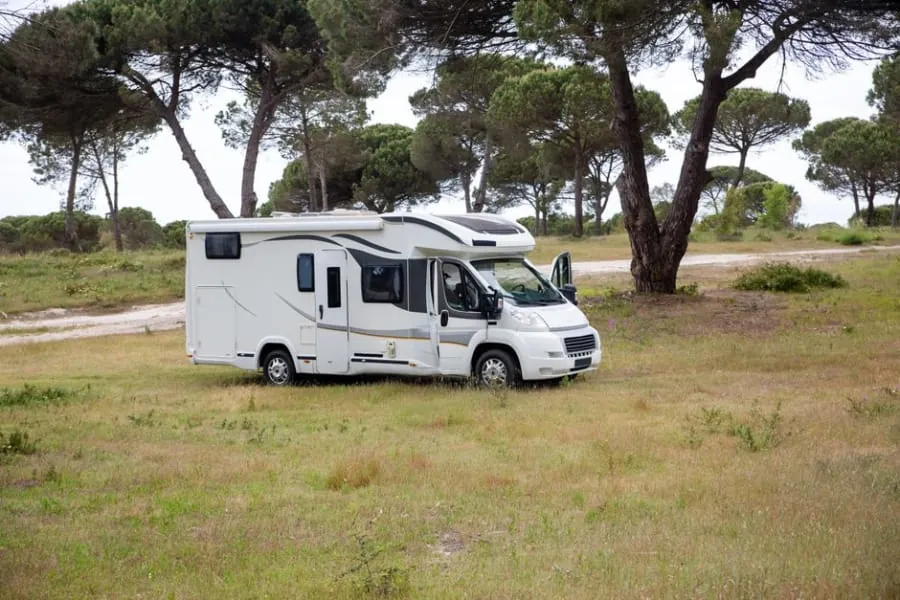
None of that rules resin out - it just means the base is designed for the real vehicle. If you tell us it is a three-tonne motorhome that lives on the drive nine months a year, we build for that, not for an average car. The material is the same permeable resin bound surface; the engineering beneath it is tuned to the weight.
What Goes Wrong When the Base Is Skimped
It is worth knowing what failure actually looks like, because it is nearly always the same story. A drive laid over a shallow or poorly compacted base under a heavy vehicle starts to rut where the wheels sit, or sink and crack as the ground gives way. People blame the resin, but the resin is rarely the culprit.

In Rochdale there is an extra factor: water. On the borough’s wet ground, a base that does not drain freely stays soft, and soft ground under a heavy van fails fast. A permeable build that lets water away, laid to the right depth, is what keeps a heavy-use drive solid through the winters.
Edges and Turning: The Bits Heavy Vehicles Punish
Weight is not the only thing a van does to a drive. Turning a long wheelbase, or clipping the edge as you reverse a caravan, puts real sideways force on the perimeter - and the edge is where a weak drive crumbles first.

A van-ready resin drive needs strong edge restraints that hold the surface firm right to the boundary, and enough width and turning room that heavy vehicles are not constantly loading the same corner. These are small details at the quote stage that make a big difference to how the drive ages.
Point Loads: Trailer Legs and Jockey Wheels
There is one load that catches people out - not the vehicle rolling across the drive, but the small, concentrated weight of a trailer jockey wheel, a caravan corner steady or a motorhome levelling ramp. All the weight goes through a tiny contact patch, which can dent or mark even a sound surface.

The fix is simple and cheap: stand jockey wheels and steadies on a spreader pad or a stout board so the load is shared over a wider area. Worth knowing before you park a loaded trailer nose-down on a fresh drive.
Getting a Van-Ready Resin Drive in Rochdale
The takeaway is straightforward. Resin bound is more than capable of carrying vans, motorhomes and caravans - the difference between a drive that lasts and one that fails is entirely in the groundwork, and that is decided before a drop of resin is mixed.
So the one thing to do is tell your installer exactly what will park on it. If you run a business vehicle or a motorhome, our commercial resin driveways experience means we are used to building for real weight. Book a free site visit, tell us what it has to carry, and we will spec the base to match - not to an average.
Frequently Asked Questions
Can you park a van on a resin driveway in Rochdale?
Yes. A resin bound driveway comfortably takes a car-derived or Transit-sized van, provided the sub-base was built for vehicle loads. The strength comes from a properly dug and compacted permeable sub-base, not the resin surface itself. If you regularly park a work van, tell your installer at the quote stage so the base is specced for the weight.
Can a resin driveway take a motorhome or caravan?
It can, with the right build. Motorhomes and loaded caravans are heavy and often sit in one spot for long spells, so the sub-base needs to be deeper and well compacted, and any trailer jockey wheel or corner steady should sit on a spreader pad rather than a single point. We assess the vehicle and how it is parked on a free site visit and build the base to suit.
Will a heavy vehicle crack or rut a resin driveway?
Only if the base was skimped. Rutting, sinking and cracking almost always trace back to a shallow or poorly compacted sub-base rather than the resin. Built to the right depth for the load, a resin bound drive carries vans and motorhomes for years. In Rochdale, a free-draining base also stops water sitting and weakening the ground under repeated heavy use.
Does a heavier vehicle mean a more expensive resin driveway?
Sometimes. The resin surface costs the same, but a drive built for a van or motorhome may need a deeper sub-base and stronger edge restraints, which adds to the groundwork. It is money well spent - underbuilding the base to save a little at the start is what leads to an early, expensive failure. Any heavy-vehicle drive is quoted after a site visit.
Ready to get started? Get a free, no-obligation quote in Rochdale.