
14 August 2026
Do You Need Planning Permission for a Resin Driveway in Rochdale?
If you are weighing up a new driveway in Rochdale, the planning question is usually the first thing that stops people in their tracks. It sounds like the kind of thing that needs forms, fees and a long wait. The good news is that for a resin bound driveway, the answer is nearly always no - no application, no fee, no delay. Since a 2008 change to the rules, the deciding factor has not been the size of your drive but whether water can soak through it. Resin bound surfacing is permeable by design, so it sits inside permitted development at any size, while an impermeable drive is capped at five square metres before you need to apply. The whole point of that rule is to stop rainwater sheeting off hard surfaces into already-stretched drains - and Rochdale, which gets a third more rain than the UK average, is exactly the sort of place it was written for. Here is how it works for a Rochdale home, and the handful of situations where you do still need to ask permission.
The Short Answer for Rochdale Homeowners
For the vast majority of houses across the borough - from the stone terraces of Wardleworth to the interwar semis around Bamford and Norden - a resin bound driveway needs no planning permission at all. It qualifies as permitted development because it lets rainwater drain straight through the surface rather than running off it. That is the single test the rules care about. If you are replacing a tired tarmac drive or laying a fresh one over your front garden, and you choose a permeable finish, you can get on with it. If you want the detail on the surfacing itself before you go further, our resin bound driveways page walks through how the system is built up.
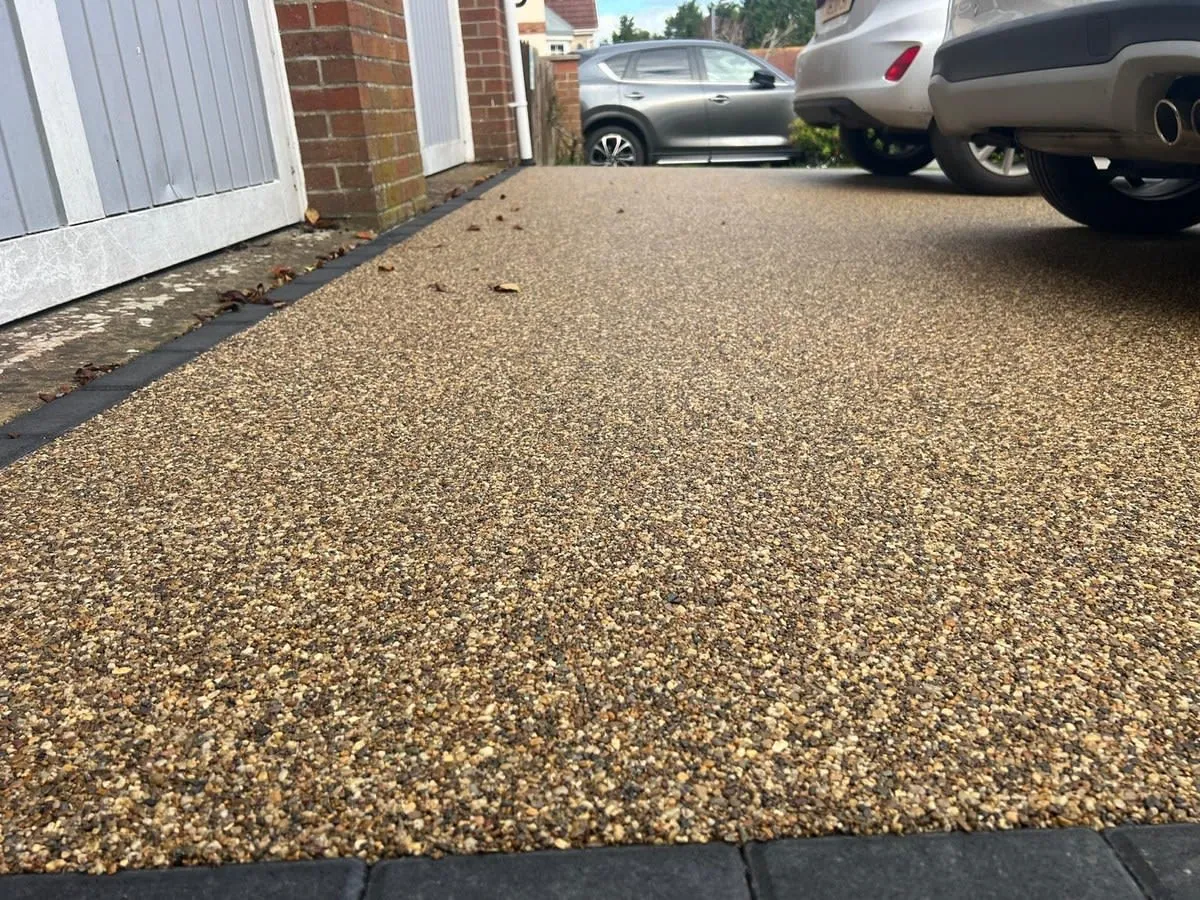
A lot of homeowners assume the opposite. They picture the council knocking back their plans, so they either delay for months or settle for gravel they do not really want. In reality the barrier they are imagining was removed for permeable surfaces years ago.
The Five-Square-Metre Rule Explained
The rule that changed everything came in during 2008. Before then you could pave a whole front garden in solid concrete and send every drop of rain into the road. After a run of urban flash floods, the government tied front-garden surfacing to drainage. The Planning Portal’s guidance on paving your front garden sets it out plainly: planning permission is needed if you cover more than five square metres with a traditional, impermeable surface that does not let water drain to a permeable area.
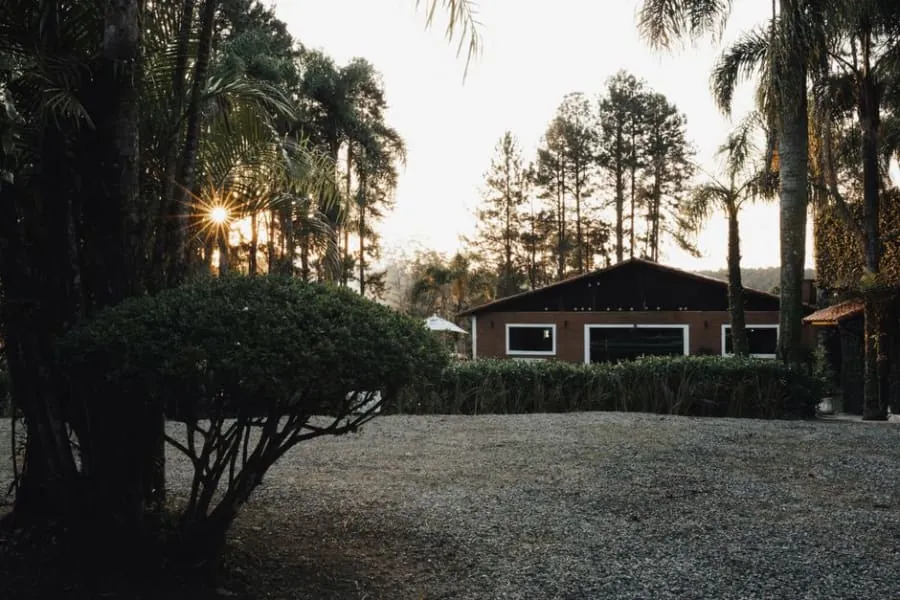
Five square metres is tiny - barely enough for a single car to sit on - so almost any real driveway clears it easily. The trick is that the threshold only bites on impermeable surfaces. Go permeable and the five-metre limit simply does not apply, no matter how big the drive is. That is the loophole resin bound was practically made for.
Why Resin Bound Almost Always Avoids Permission
A resin bound surface is a mix of natural aggregate and clear resin, troweled out to leave tiny gaps between the stones. Water passes straight through those gaps into the sub-base below and soaks away naturally. The government’s own guidance on the permeable surfacing of front gardens describes the test neatly: turn a hose on a finished permeable drive for a minute or two and there should be no puddles, with the water soaking in rather than running off.

There is one distinction that trips people up. Resin bound is permeable. Resin bonded - where loose stone is scattered over a solid resin bed - is not, because the base underneath is sealed. If a quote says “resin bonded” and the drive is over five square metres, you are back in permission territory unless the water is routed to a border or soakaway. Always check which system you are being sold. It is the same-sounding word doing very different jobs.
When You Do Still Need Permission in Rochdale
There is a short list of exceptions, and they are worth knowing before you commit. You will need to involve the planners if your property is listed, if it is a flat or maisonette rather than a house, or if it sits in a conservation area covered by an Article 4 direction that has removed permitted-development rights. Rochdale has several conservation areas, including ones around the town centre and older village cores, so it is not a rare situation.

If any of those apply, a quick call to Rochdale Borough Council’s planning team before you spend a penny is the sensible move. It is a five-minute conversation that can save a very expensive mistake, and the answer is often still yes with a couple of conditions attached.
Dropped Kerbs Are a Separate Rochdale Council Process
Here is the part people mix up most. Planning permission and a dropped kerb are two different things handled by two different teams. If your driveway already has an access point, you are fine. If you need to create a new one - lowering the kerb and crossing the pavement so a car can get on and off - that goes through the council’s highways department, not planning.

Rochdale Borough Council sets out the steps on its dropped kerbs pages: you apply, they check the crossing is safe and that you have somewhere off-street to park, then an approved contractor does the work, usually within about 90 days. It is normally straightforward on a quiet residential street, but crossings onto classified or busy roads can be refused on safety grounds. Sort this out early, because there is no point having a beautiful drive you cannot legally drive onto.
Rochdale’s Rainfall Is Why the Drainage Rule Bites Here
Rochdale is not a gentle place for rain. Sitting on the western edge of the Pennines, the borough catches weather rolling in off the hills, and annual rainfall comfortably tops 1,200mm against a UK average nearer 885mm. That is a third more water than the national norm landing on the same roofs and drives every year.

The permeable-surface rule exists precisely for towns like this. A solid, sealed driveway turns every downpour into run-off that hits the road and the storm drains all at once. A permeable resin drive soaks it up and lets it drain slowly into the ground, easing the load on a Victorian sewer network that was never built for it. So going permeable is not just a planning shortcut in Rochdale - it is genuinely the surface that suits the climate. You can see how that plays out on cost and lifespan in our Rochdale resin driveway cost guide.
Getting It Right: Choose a Compliant Installer
None of this protects you if the drive is built badly. Permeability depends on the sub-base being dug to the right depth and left free-draining - skimp on that and even a “permeable” surface will pond after heavy rain, which defeats the rule and your money. A good installer will spec the build-up in writing and explain how the water actually gets away.
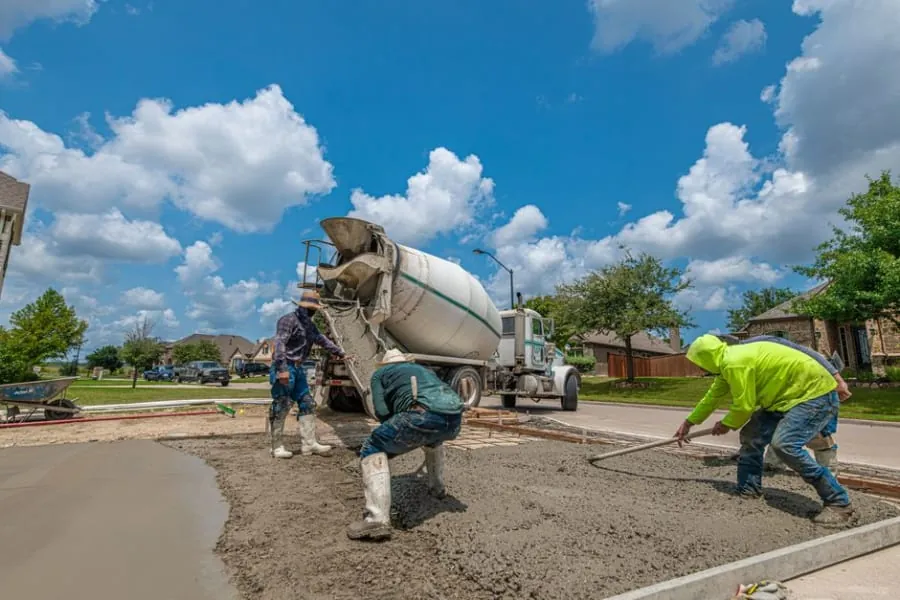
Ask any company to confirm the surface is resin bound (not bonded), to state the sub-base depth, and to tell you whether your access needs a dropped kerb. If they wave the questions away, walk away. At Longevity Resin Driveways we handle installations across Rochdale and the surrounding towns, and we are happy to talk through the planning side before you commit to anything.
Frequently Asked Questions
Do I need planning permission for a resin driveway in Rochdale?
In most cases, no. A resin bound driveway is permeable, so it falls under permitted development and needs no planning application - whatever the size. You only need permission if the surface is impermeable and over five square metres with nowhere for water to drain, or if your home is listed, a flat, or in a conservation area with an Article 4 direction.
Is resin bound the same as resin bonded for the permeable rule?
No, and this catches people out. Resin bound mixes the aggregate and resin together and is permeable, so it complies automatically. Resin bonded scatters stone over a solid resin base and is not permeable, so on anything over five square metres it needs either planning permission or a drainage route to a border or soakaway.
Do I need permission from Rochdale Council for a dropped kerb?
A dropped kerb is separate from planning and is handled by Rochdale Borough Council’s highways team, not the planning department. You apply through the council, they check the crossing is safe, and the work is carried out by an approved contractor. Permission is usually straightforward for a normal residential street but can be refused on classified or busy roads.
Does a resin driveway need building regulations approval?
No. A domestic driveway does not require building regulations approval. The rules that matter are the permitted-development drainage rule and, if you are creating a new access over the pavement, the council’s dropped kerb process.
Ready to get started? Get a free, no-obligation quote in Rochdale.