
14 August 2026
How to Clean and Maintain a Resin Driveway in Rochdale
One of the big selling points of a resin driveway is that it is low maintenance - and it genuinely is. But low maintenance is not no maintenance, and in Rochdale the damp, and the salted roads in winter, throw a few specific things at a drive that a guide written for a drier part of the country skips over. Keep on top of a handful of simple jobs and a resin bound drive stays looking new for 20 years and more. Ignore them and even the best surface picks up moss in the shade and grime along the edges. Here is exactly how to clean and look after a resin driveway in the Rochdale climate, without doing more harm than good.
The Everyday Routine: Brush and Rinse
Ninety per cent of resin driveway care is just keeping debris off it. Fallen leaves, twigs and general muck trap moisture against the surface, and in a wet borough that is what feeds moss and algae. A regular sweep with a stiff broom, especially through autumn when the leaves come down, does most of the work.
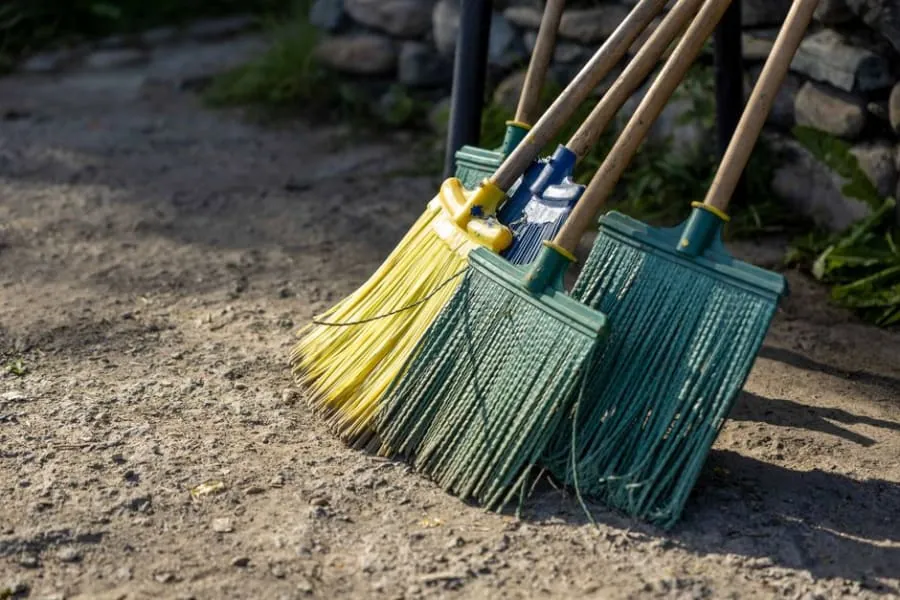
Once or twice a year, follow the sweep with a rinse - a hose is plenty, and warm soapy water with a broom shifts any general grubbiness. That is the entire baseline routine. Do just that and you are ahead of most drives. You can see the sort of finish it protects on our resin bound driveways page.
Jet Washing: Yes, But Gently
A pressure washer is the fastest way to freshen a resin drive, and it is perfectly safe - as long as you are not heavy-handed. The mistake people make is treating it like concrete: pin jet, full power, nozzle an inch off the surface. On resin bound, that can loosen the stones over time.
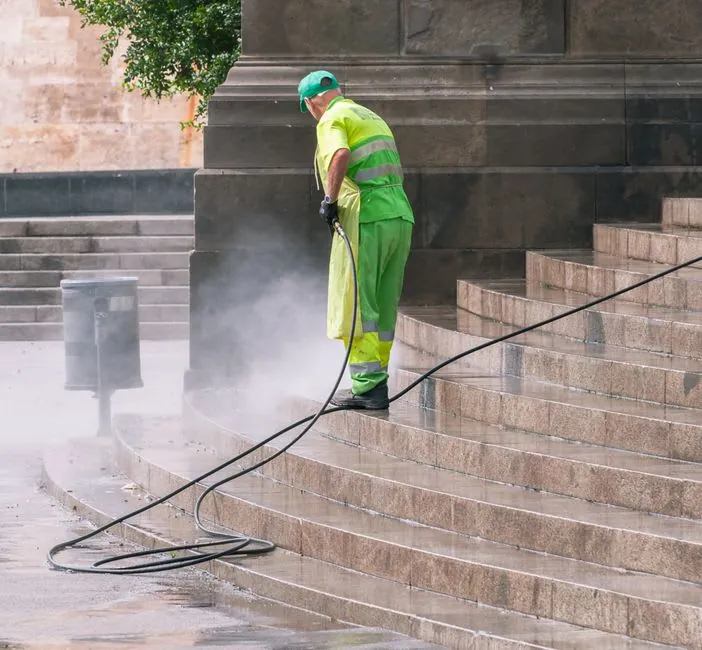
Keep the pressure moderate - around 150 bar is ample - fit a wide fan nozzle rather than a narrow jet, and hold the lance back at a shallow angle so you are washing the surface, not drilling into it. Work in steady overlapping passes. Done that way, a jet wash brings a tired-looking drive back to life in an afternoon.
Tackling Moss and Algae in a Damp Climate
This is the Rochdale one. Sitting on the wet western edge of the Pennines, the borough gives moss and algae exactly the damp, shady conditions they love, and north-facing or tree-shaded drives are most prone to a green film. It is not a sign of a failing surface - it happens to every hard surface here - but it is worth staying on top of because it gets slippery.
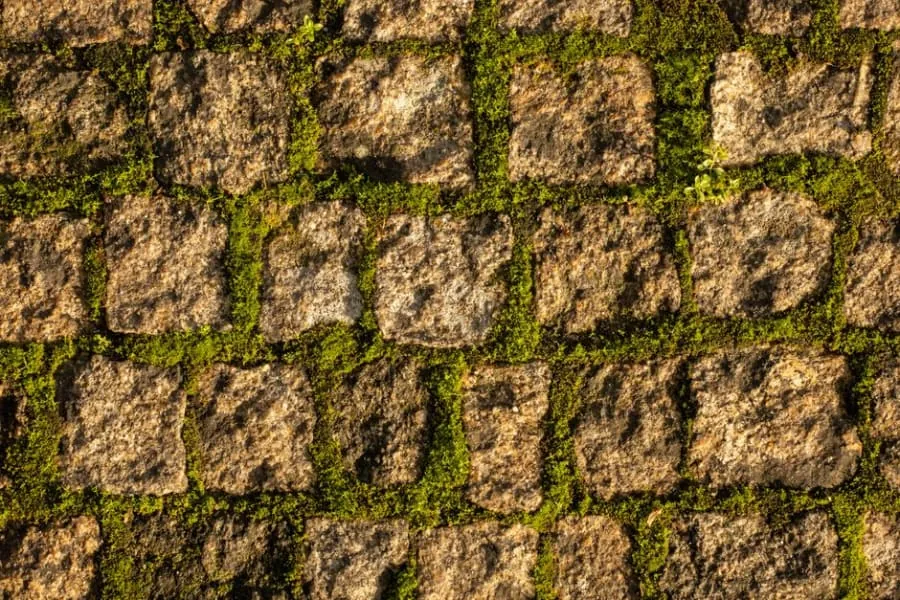
Brush the growth off first, then wash it away. The RHS advice on algae and moss on hard surfaces makes the useful point that you rarely need harsh chemicals, and that changing the damp conditions matters more than any spray. A resin-safe patio cleaner helps for stubborn patches. Best of all, because resin bound is permeable, keeping it and the sub-base draining freely is your strongest long-term defence.
Getting Oil and Fuel Marks Out
Park a car on any drive for long enough and the odd oil spot appears. On resin, the trick is to deal with it quickly rather than letting it soak in. Fresh drips can be soaked up with cat litter or a proprietary absorbent, then the mark washed with warm soapy water or a resin-safe degreaser.
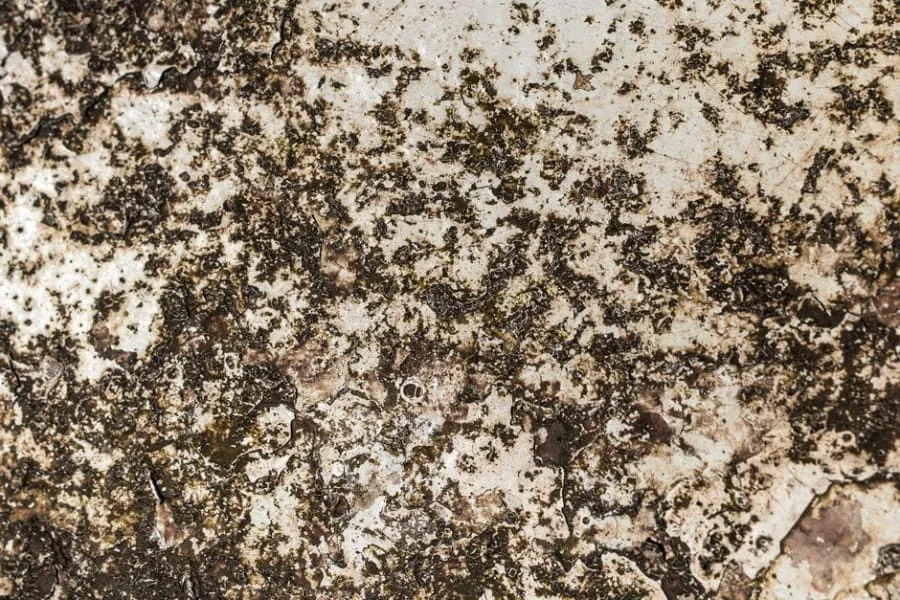
Avoid harsh solvents like neat petrol or strong thinners, which can attack the resin binder itself. For an older, set-in stain a specialist resin cleaner and a bit of patience usually lifts it. The permeable surface actually helps here, because spills drain down rather than pooling into a wide stain.
Keeping Weeds Off the Edges
A properly laid resin bound surface does not grow weeds through it - there are no joints for seeds to root in, which is one of its big advantages over block paving. What you can get is the odd weed creeping in at the very edges, or seedlings taking hold in leaf litter left sitting on top.
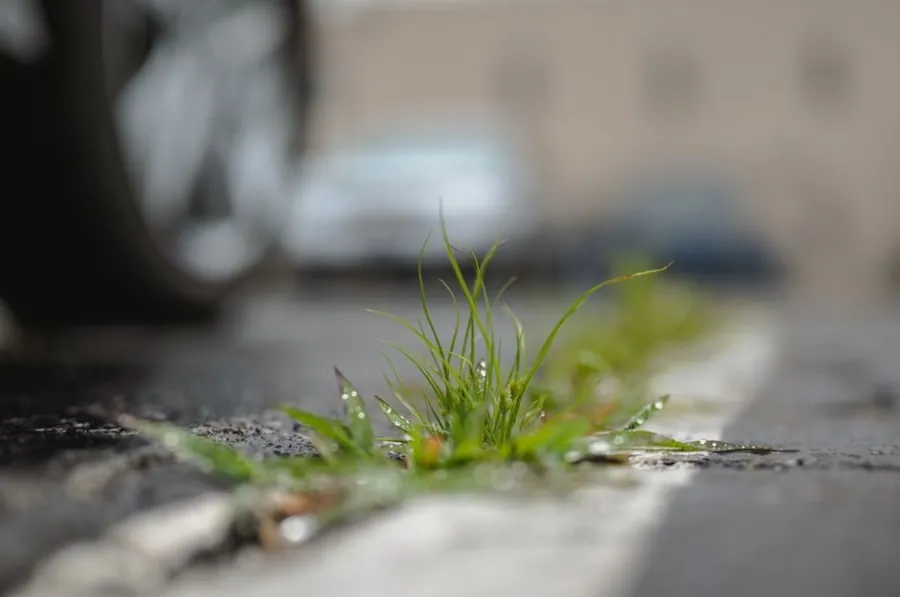
The fix is the same as the moss one: keep the surface swept so there is no bed of debris for seeds to germinate in, and pull or brush away anything that appears at the boundary. Keeping the edges clear also lets you spot early if an edge restraint ever needs attention.
Winter: Grit, Salt and Frost in Rochdale
Rochdale winters are real, and the roads get salted heavily. The good news is that a resin bound drive handles cold far better than a sealed one, because water drains through rather than sitting on top to freeze - so you usually need far less grit on it in the first place. If you do salt it, ordinary rock salt is fine and will not harm the surface.

Two small habits help. Clear snow with a plastic shovel rather than a metal-edged one that can scrape the stones, and once the cold spell breaks, rinse off any built-up grit and salty slush so it is not ground in under tyres. That is genuinely all a resin drive asks of you over a Pennine winter.
When to Call In the Professionals
Most resin driveway care is a broom-and-hose job you can do yourself in an hour. Now and then, though, it is worth a professional look - a deep clean before selling the house, a stubborn stain that will not shift, or the rare loose patch that wants a proper repair rather than a wash.
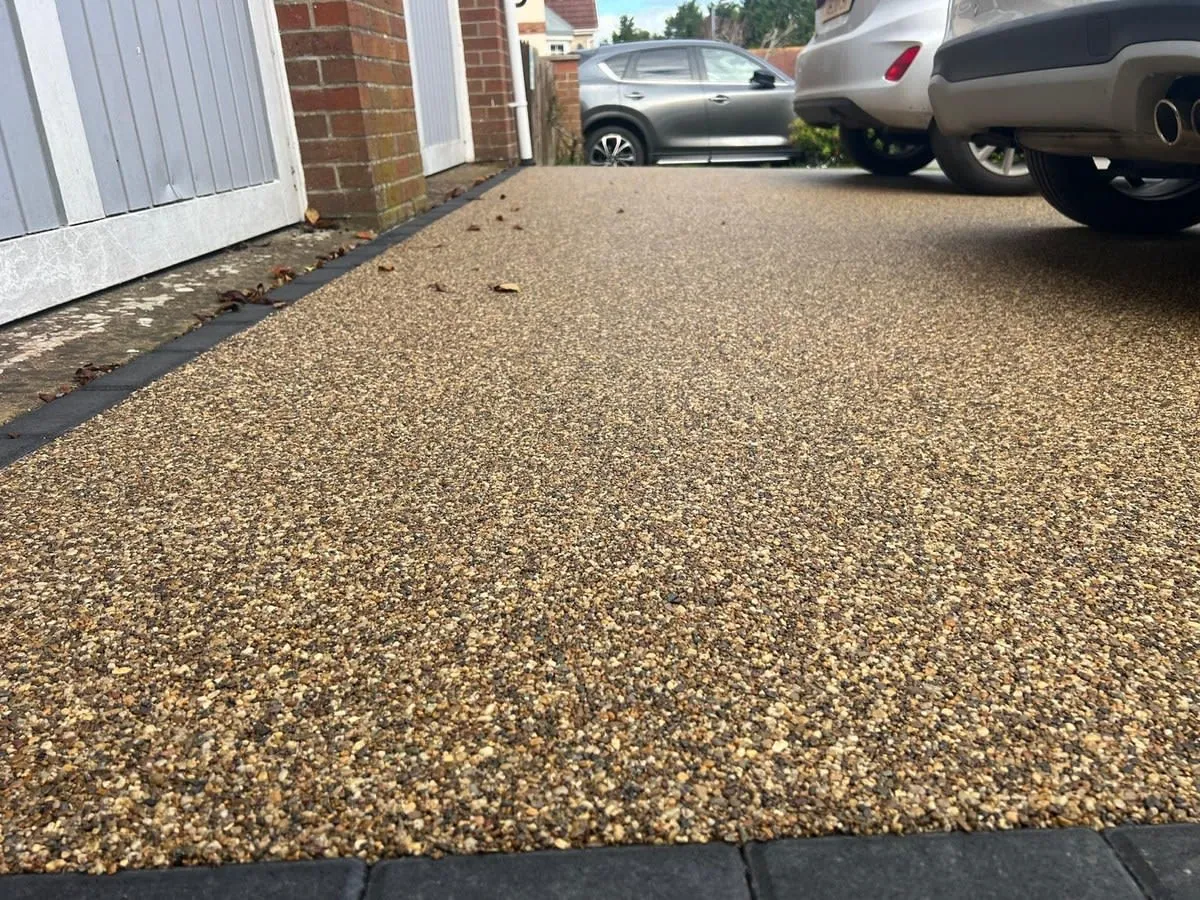
If a surface is lifting or has worn thin, that points to how it was originally laid rather than how it has been cleaned - our guide to laying resin over an existing drive in Rochdale covers why the base matters so much. We are always happy to take a look and give an honest opinion on whether a drive needs a clean or a fix.
Frequently Asked Questions
How do you clean a resin driveway?
For everyday cleaning, brush off leaves and debris and rinse with a hose or a pressure washer on a low setting held well back from the surface. A stiff broom and warm soapy water lifts most marks. Keep pressure washers under about 150 bar and use a fan nozzle, not a pin jet, so you do not dislodge the stones. In Rochdale’s damp climate, an occasional deeper clean keeps moss and algae from taking hold.
Can you jet wash a resin driveway?
Yes, carefully. A pressure washer is fine for a resin bound drive if you keep it to a moderate pressure, use a wide fan nozzle rather than a narrow jet, and hold the lance back from the surface at an angle. Blasting it too close or with a pin jet can loosen stones over time. For routine cleaning a brush and hose is usually all you need.
How do you get moss and algae off a resin driveway?
Brush the surface to lift loose growth, then wash it off - the RHS notes that non-chemical methods work well and that fixing the damp, shady conditions matters more than any product. A resin-safe patio cleaner speeds it up. Because resin bound is permeable, keeping the surface and sub-base draining freely is the best long-term defence against moss in a wet borough like Rochdale.
Does winter grit and salt damage a resin driveway?
Rock salt and grit will not damage a properly laid resin bound surface, but the grit can be abrasive if it is ground in under tyres, and salty slush is best rinsed off once the cold snap passes. Because resin is permeable, water drains away rather than sitting and freezing on top, so you generally need far less salt on a resin drive than on a sealed one in the first place.
Ready to get started? Get a free, no-obligation quote in Rochdale.