
31 August 2026
Paying For A Resin Driveway In Rochdale: Deposits, Staged Payments And What Should Worry You
A resin driveway around Rochdale usually lands somewhere between £2,500 and £5,000, which is used-car money. Yet the same person who would run a history check before buying a used Fiesta will hand a driveway firm a four-figure deposit on the strength of a Facebook page and a verbal promise. The surface itself gets researched to death - colours, aggregates, edging - while the money side gets settled in one awkward sentence at the end of a site visit. That is backwards. How you pay, when you pay and what paperwork sits behind each payment decides whether a problem later is an inconvenience or a write-off. This is the money conversation in full, before anyone books the van.
The Money Conversation Nobody Has Until The Van Is Booked
Most homeowners in Rochdale get two or three quotes, pick the installer they warmed to, and only then discover what the payment terms actually are. By that point the psychology is against you: you have chosen, you want the job in the diary, and querying the deposit feels like an insult to someone you have just decided to trust.

Flip the order. Ask about payment terms at the quoting stage, in writing, from every firm you speak to, and treat the answers as part of the comparison alongside price and spec. A resin bound driveway quote that is £300 dearer but comes with a 15% deposit, staged payments tied to progress and a card machine is a better offer than a cheaper one that wants half the money by Friday by transfer. The terms tell you how a business is run. Firms with order books and bank balances do not need your money before they have earned it.
What A Normal Deposit Looks Like
For driveway work in this area, a deposit between 10% and 25% of the contract price is standard, and the guidance from Citizens Advice on paying for building work is blunt: push the deposit down as far as you can and never agree to more than 25%.

Whatever the figure, three things should come with it. A written quote naming the full price, with VAT position stated, so the deposit is a percentage of something fixed rather than something that grows. A receipt for the deposit itself, on paper or by email, showing the company name that matches the bank account you paid. And a start date, or at least a window, so the deposit is buying a place in a schedule rather than a vague intention. A deposit handed over against a number scribbled on the back of a flyer has none of that, and it happens on doorsteps in this borough every week.
Why Resin Firms Ask For Money Upfront At All
Deposits are not automatically a warning sign, and it helps to understand what an honest one pays for. Resin and aggregate are ordered per job, in your blend, in quantities calculated from your measurements. UV stable resin is not cheap, the stone comes in one-tonne bags, and neither goes back to the supplier if a customer changes their mind on the Tuesday before installation.

On a mid-sized drive the materials alone can run well past a thousand pounds, committed days before anyone arrives. A modest deposit shares that risk between you and the installer, which is fair. What it should never do is cover labour that has not happened. Citizens Advice makes a useful further suggestion here: if a firm says the deposit is for materials, you can offer to buy the materials yourself instead, so that whatever happens, you own something. Most established installers will not need you to, but watching how a firm reacts to the suggestion is informative in itself.
Staged Payments: What To Agree Before Anyone Digs
On larger jobs - full frontages, drives with substantial groundwork, anything running past a week - staged payments are normal and sensible. The rule that keeps them safe is simple: every stage payment is triggered by work you can stand on, never by a date on a calendar.
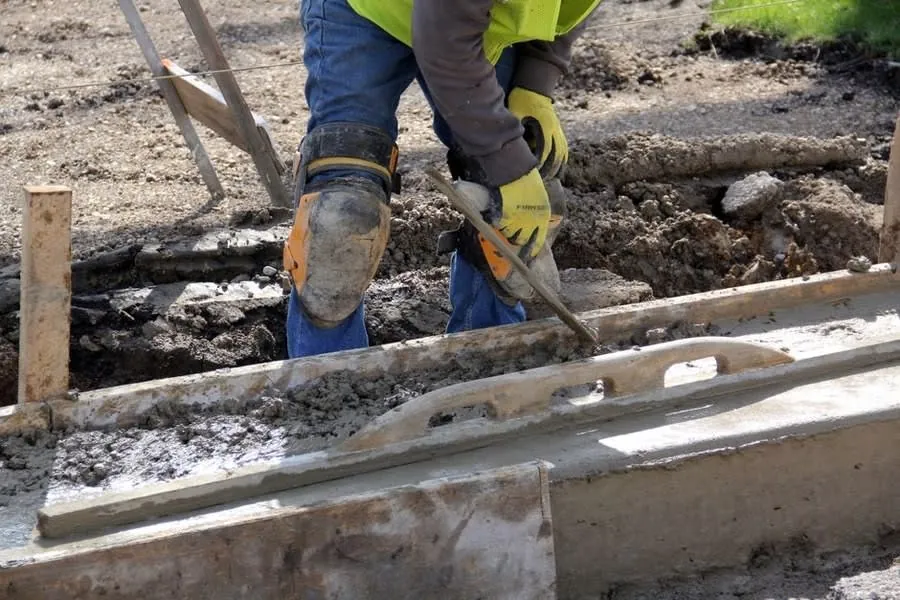
A sound structure for a resin job looks like this: deposit on booking, a second payment once excavation and the compacted sub-base are finished and you have seen them, and the balance after the resin is down, cured and walked over together. The sub-base stage matters because it is the part of the job that disappears from view. Paying for it as a stage forces a moment where the installer shows you the depth and compaction you are paying for - the layer that decides whether the surface is still flat in ten years. And the final balance waits for the walk-round, not the last trowel stroke. A firm confident in its finish has no reason to want the money before you have looked at the job in daylight.
Card, Transfer Or Cash: How You Pay Changes What Protection You Get
Here is the piece of consumer law most driveway customers have never heard of. Under Section 75 of the Consumer Credit Act, if any part of a job costing between £100 and £30,000 goes on a credit card, the card provider becomes jointly responsible for the whole contract. Which? explains Section 75 in detail, but the practical point is this: put even the deposit on a credit card and you gain a second, solvent organisation on the hook if the installer botches the job or disappears.

Bank transfer sits at the other end of the scale. It is how most trades prefer to be paid, it is fine for the final balance on a finished job you have inspected, and it offers almost nothing if things go wrong before then. Debit cards sit in the middle, with chargeback schemes that are useful but voluntary. And cash sits below all of them: no trail, no comeback, and usually a hint that the job is not going through the books. A firm that takes cards, or at least does not flinch when you ask, is telling you something reassuring about how it operates.
The Warning Signs That Should End The Conversation
Some payment behaviours are not negotiating positions. They are the pitch, and the correct response to each is a polite no and a closed door.

Full payment upfront, for any reason, however plausible. A price that is only available today, because the crew is “already in the area” - genuine schedules do not expire at teatime. A discount for cash with a reluctance to put anything in writing. A company name on the flyer that does not match the name on the bank account. No landline, no address, no way of finding the business next year. Pressure to sign on the doorstep rather than leaving a written quote for you to compare. None of these is proof of dishonesty on its own; all of them together are how rogue traders actually operate across Greater Manchester. Checking a firm holds membership of a scheme such as TrustMark, the government-endorsed quality scheme, takes two minutes and filters out most of them before money is ever discussed.
If The Company Folds Between Deposit And Completion
It is worth thinking about the ugly scenario before it can happen, because everything that protects you has to be in place beforehand. If a firm ceases trading holding your deposit, your options are exactly three: a Section 75 claim if any of the money went on a credit card, a payout if the firm carried deposit protection insurance or used an escrow account, or a place in the queue of unsecured creditors, which for a small limited company usually means nothing back at all.

So keep everything: the quote, the receipt, the messages, the bank records. The same logic applies after the job, because a guarantee is only as good as the company standing behind it and the paperwork proving what was promised - we have covered what a resin driveway guarantee actually covers in Rochdale separately, and the two questions belong together. A firm that has been trading under one name for years, quotes in writing, takes a modest deposit and does not chase the balance until you are happy has already answered most of what this article asks. If you would like a written quote with the payment terms stated plainly on it, ask us for one in Rochdale and compare it against anything else you have been offered.
Frequently Asked Questions
How much deposit should I pay for a resin driveway?
Somewhere between 10% and 25% of the quoted price is the normal range, and Citizens Advice suggests never agreeing to more than 25%. On a typical Rochdale drive costing £2,500 to £5,000, that puts a reasonable deposit between about £250 and £1,250. A firm asking for half the job’s value before a spade goes in the ground is asking you to fund its cash flow, and a firm asking for the whole lot upfront should not get the job at all.
Is it safe to pay a resin driveway deposit by bank transfer?
It is common, but it gives you the least protection of any method. Once a transfer has gone, your bank has limited power to claw it back if the firm vanishes or the work never starts. Paying even part of the cost on a credit card brings Section 75 of the Consumer Credit Act into play, which makes the card provider jointly responsible for the whole contract on jobs between £100 and £30,000. If a firm will only take bank transfer and hurries you to send it, slow everything down.
Should I pay cash for a driveway to get a discount?
We would advise against it. A cash discount usually means the job is going through nobody’s books, and that cuts both ways: no paper trail, no meaningful receipt, and a guarantee that is very hard to enforce because on paper the transaction barely happened. If a dispute ends up in court, you want bank records showing what you paid, when and to whom. The few hundred pounds saved is small against a four-figure surface with nothing behind it.
What happens to my deposit if the installer goes bust?
If you paid any of it by credit card, Section 75 lets you recover from the card provider. If the firm carried deposit protection insurance or used an escrow service, the policy or the escrow account returns your money. Failing both, you become an unsecured creditor of a failed company, and in practice unsecured creditors of small firms recover little or nothing. This is exactly why the payment method and any deposit protection are worth checking before you pay, not after.