
14 August 2026
Resin Driveways and EV Charging: A Rochdale Homeowner's Guide
Electric cars are changing what people want from a driveway. A drive used to be somewhere to park and maybe show off the front of the house; now it is also where you refuel, quietly, overnight, at a fraction of the cost of public charging. That only works if you have off-street parking to charge on - which puts the humble driveway right at the centre of the switch to electric. If you are thinking about a home charger in Rochdale, or laying a new drive and wondering how charging fits in, it pays to plan the two together rather than bolt one onto the other. Here is how a resin driveway and EV charging work as a pair.
Why Off-Street Parking Is the Key to Cheap Charging
The whole economic case for a home EV charger rests on one thing: a private space to park and plug in. Charge at home on an overnight tariff and you pay a small fraction of what public rapid chargers cost. No driveway or garage, and you are stuck with pricier public charging or trailing a cable across a pavement, which is neither safe nor allowed.
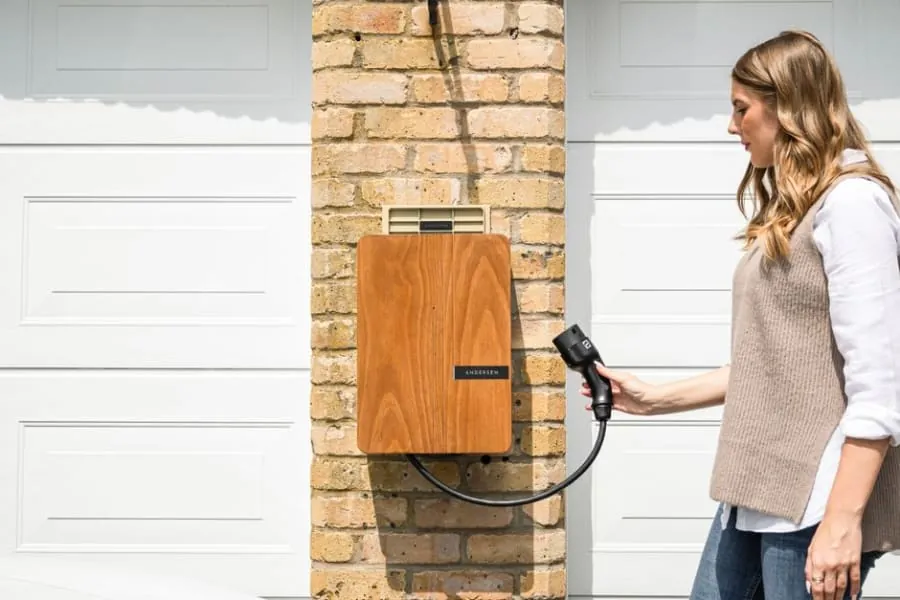
That is why, on Rochdale’s tighter terraced streets, a proper off-street drive is worth even more to an EV household than to a petrol one. It is not just convenience - it is the difference between cheap home charging and none at all.
The EV Chargepoint Grant and Your Driveway
There is real money on the table, and it is tied to having a drive. The government’s electric vehicle chargepoint grant gives eligible households 75% off the cost of buying and installing a home charger, up to £500 - and the main homeowner grant requires you to have private off-street parking.
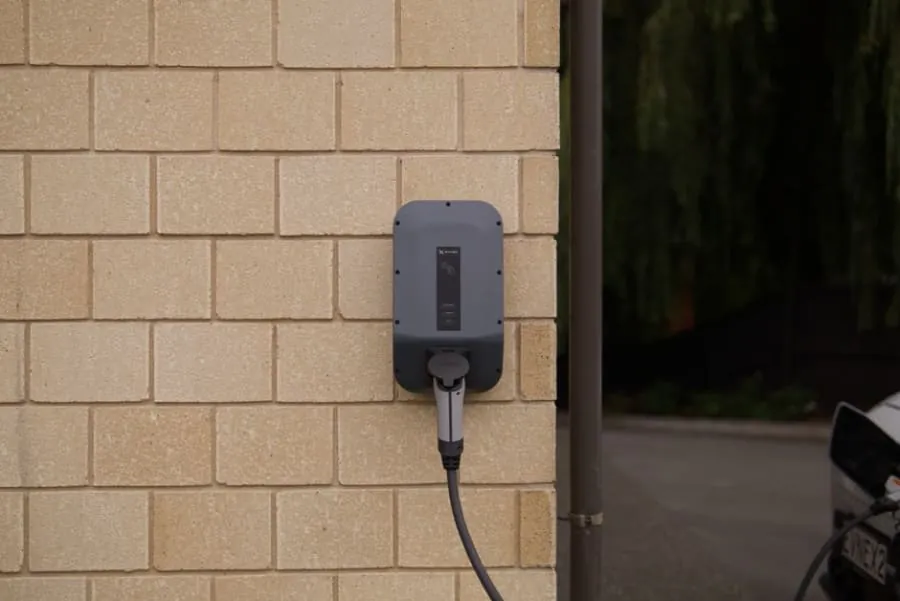
In other words, the driveway is not just where the charger goes - it can be what unlocks the grant in the first place. If you have been putting off both jobs, doing them together makes the numbers work harder. Funding for the current schemes is confirmed into 2027, so it is worth checking your eligibility before you plan the drive.
Plan the Cable Route Before You Lay the Drive
This is the tip that saves the most hassle, and almost nobody thinks of it in time. When a resin driveway is being installed, the sub-base is open - which is the perfect moment to lay ducting for the charger cable. The electrician’s run from your consumer unit to the chargepoint can then pass neatly underground, with nothing clipped across the wall or trailing over the surface.
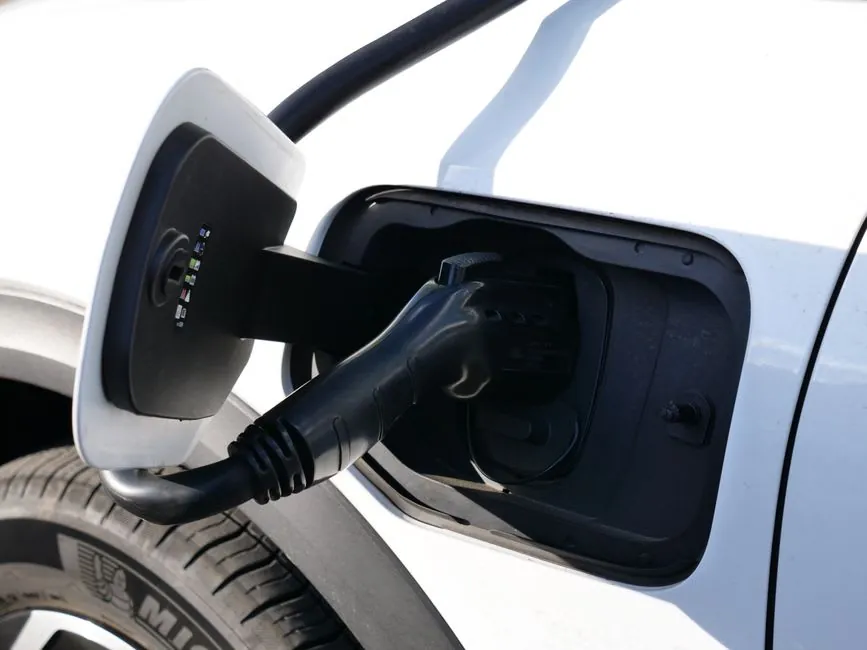
Retrofit it afterwards and you are either surface-clipping the cable or, worse, cutting a channel back into a finished drive. If there is any chance you will go electric in the next few years, mention it before we lay a thing - a length of conduit costs very little to set in now.
Why Resin Suits EV Households
Beyond the practicalities, resin bound is just a good fit for the way EV owners use a drive. There is no loose gravel to get flicked up against a car you have parked in the same spot every night, or tracked into a spotless cabin. The surface is smooth and level for wheeling a cable reel or a charger’s tethered lead around.

It also stays looking sharp with almost no effort, which suits the kind of buyer who has already invested in a modern car. You can read more about the surface itself on our resin bound driveways page, but the short version is that it is clean, permeable and low-fuss - exactly what a daily-charged EV wants under it.
Weight and Wear From a Heavier EV
One genuine difference with electric cars is weight. A big battery adds a few hundred kilos over the petrol equivalent, and that load lands on the drive every day. It is nothing a resin driveway cannot handle - but only because the strength comes from the sub-base beneath, not the resin on top.
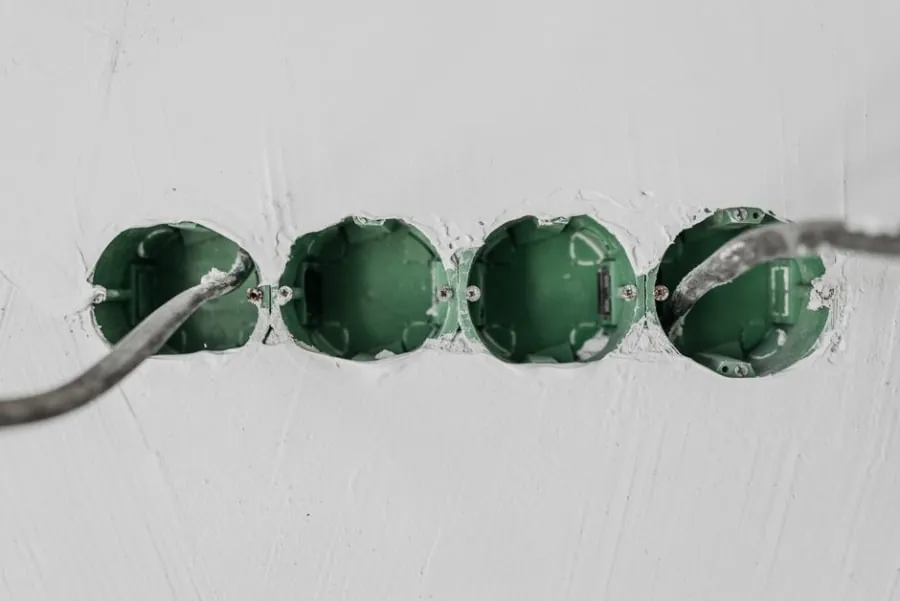
That is why we do not cut corners on the groundwork for a driveway that will carry a heavy EV day in, day out. A properly dug and compacted permeable sub-base at the right depth is what stops any surface rutting or settling under a two-tonne car over the years.
Get the Groundwork and Wiring in the Right Order
The neatest EV-ready driveways happen when the surfacing and the electrics are planned as one job, not two. The ideal running order is: agree where the charger and parking spot will be, set the ducting into the sub-base while it is open, lay the resin, then have a qualified installer fit and connect the charger. Coordinating it that way avoids anyone digging up fresh work.
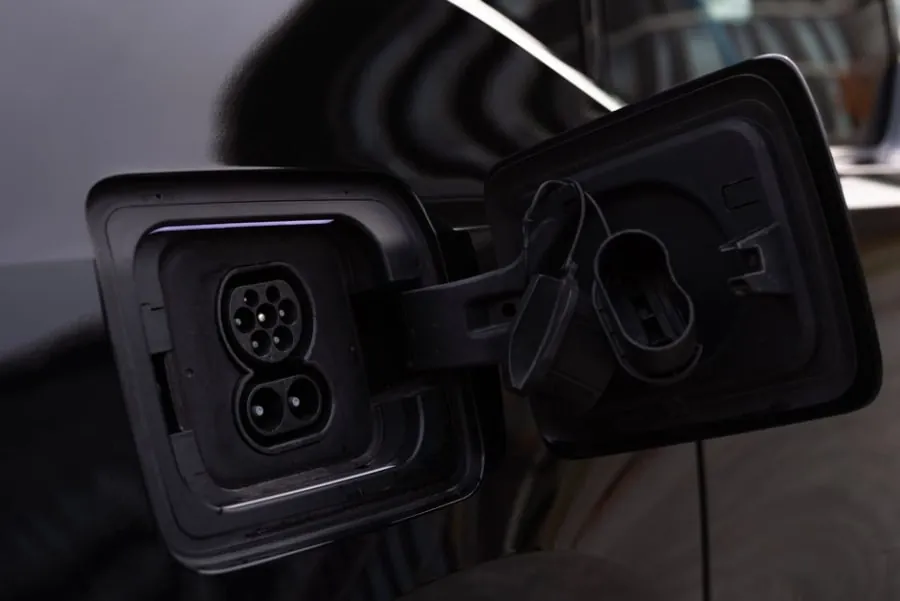
The charger itself must be fitted by a competent, registered electrician - TrustMark’s home improvement guidance is a good check on choosing trades for both halves of the job. We are happy to work to your electrician’s cable route when we lay the drive.
Future-Proofing Your Rochdale Driveway
Even if you are not going electric this year, it is worth building the option in now. Setting a duct while the sub-base is open costs almost nothing and means a charger can be added later without disturbing the finished surface. Given how fast Rochdale’s streets are switching over, a drive that is ready for a charger is quietly more valuable than one that is not.
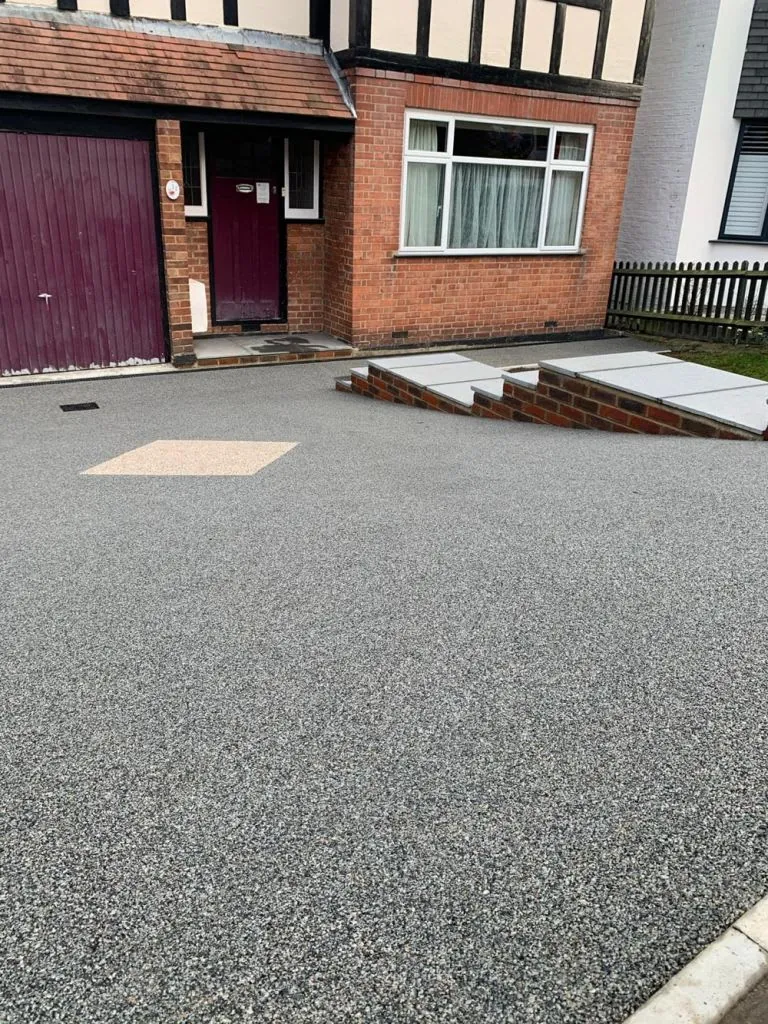
A permeable resin drive with parking and charging sorted is a genuine selling point, as we cover in our guide to whether a resin driveway adds value in Rochdale. If you are planning a driveway and think an EV is on the horizon, tell us early and we will build it in from the start.
Frequently Asked Questions
Do I need a driveway to charge an electric car at home in Rochdale?
For the cheapest, easiest charging, yes. A home chargepoint needs somewhere safe to park and run a cable without trailing it across a public pavement, so off-street parking - a driveway or garage - is effectively a requirement. It is also a condition of the main government EV chargepoint grant for homeowners, which needs private off-street parking to qualify.
Can you route an EV charging cable under a resin driveway?
Yes, and it is best done before the drive is laid. Ducting or conduit can be set into the sub-base so the electrician’s cable runs neatly from the consumer unit to where the charger will sit, with nothing on show. If you are having a resin driveway installed anyway, planning the cable route in at the same time saves digging it up later.
Are EVs too heavy for a resin driveway?
No, provided the base is built for it. Electric cars are heavier than their petrol equivalents - often a few hundred kilos more - but a resin bound driveway laid over a properly compacted, permeable sub-base takes that comfortably. As with any vehicle, it is the sub-base rather than the resin surface that carries the load.
Does a resin driveway with a charger add value to a Rochdale home?
It can. Off-street parking already tends to add value on Rochdale’s busier streets, and a ready-to-use home chargepoint is an increasingly sought-after extra as more buyers switch to electric. A smart, permeable driveway with charging already installed removes a job the next owner would otherwise have to organise themselves.
Ready to get started? Get a free, no-obligation quote in Rochdale.