18 August 2026
Resin Surfacing for Shared Driveways in Rochdale: Neighbours, Boundaries and Who Pays
Rochdale’s streets are full of driveways that belong to two houses at once. The shared strip between a pair of semis, the terrace access that runs across three frontages, the ginnel-side drive both households have used for fifty years - the borough’s housing was built close together, and shared access is everywhere. Which creates a very specific problem when one of you wants a new surface: whose drive is it, who pays, and what happens at the invisible line down the middle? Nobody writes about this, and yet it is one of the most common conversations we have across Rochdale. So here is the honest, practical guide to resurfacing a shared driveway in resin - the legal bits, the neighbourly bits, and the building bits.
Why Rochdale Has So Many Shared Driveways
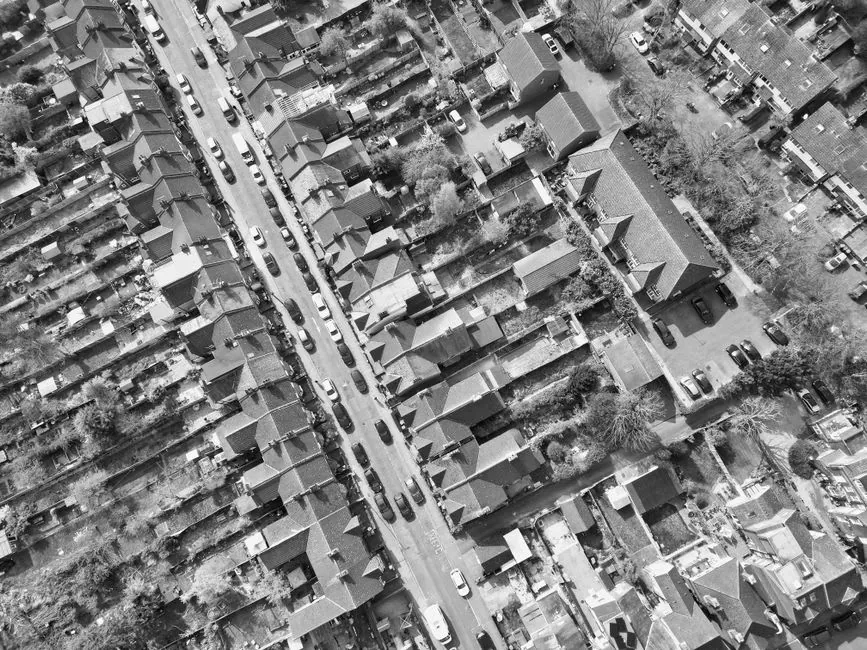
The borough’s housing history explains it. Victorian terraces were built wall-to-wall with shared back access. Interwar and postwar semis - which fill Norden, Bamford, Castleton, Alkrington and half the streets between - were routinely built as mirrored pairs with a single strip of ground between them, used by both households and often split invisibly down the centre.

For decades that arrangement worked fine, because nobody was doing much to the surface. It only gets complicated the day one household wants to improve it - and with resin now the upgrade of choice across the borough, that day keeps arriving. The good news: handled in the right order, a shared drive is a completely normal job.
Step One: Find Out What You Actually Own
Before any conversation about colours or cost, get the facts. Shared drives come in several legal flavours: each house owns its own half with a right of way over the other’s; one house owns the whole strip and the other has access rights; or, less commonly, it is genuinely joint. Which one you have changes everything about who decides and who pays.

Your title deeds and title plan are the place to look, and the government’s guidance on your property boundaries explains how to get them from the Land Registry for a few pounds if you do not have copies. Ten minutes of reading now prevents the classic shared-drive mistake: paying to surface ground that turns out not to be yours, or assuming a boundary runs where the old kerb line suggests it does.
Step Two: Talk to Next Door Before You Get Quotes
Even where you are legally free to surface your own half, the practical reality is that a shared drive is a shared project. The works will affect your neighbour’s access, the finished look affects both frontages, and a resin surface needs to cure traffic-free for a period - which means their car as well as yours stays off it.

So have the conversation early, and aim for one of two outcomes in writing: either you are both in and the drive is done as one surface, or they are out and you agree how the boundary edge and access during works will be handled. Most neighbours, shown what a half-done drive looks like next to a whole one, come in on the job. If relations are already strained, Citizens Advice has sensible guidance on handling issues with neighbours before things harden into a dispute - a driveway is never worth a feud.
Who Pays: The Three Ways It Usually Splits
Ownership sets the starting point, but in practice the money conversation lands in one of three places. Where each household owns its half, each paying for their own side is the default - though getting the whole job done in one visit and splitting the invoice usually costs less per house than two separate jobs, because the set-up costs are shared.

Where the drive is jointly owned, a straight 50/50 split is the norm. And sometimes one household simply wants it more and offers to carry the larger share - which is fine, as long as it is written down along with what was agreed about the finish. None of this needs a solicitor for a friendly job; a simple signed note of who pays what, and what happens at the boundary, covers the overwhelming majority of cases.
The Seam Problem: Why One Surface Beats Two Halves
Here is the building reality that should shape the whole conversation. Resin bound is hand-troweled as a continuous surface, and its great strength is that unbroken, jointless finish. Lay a shared drive in one visit and you get exactly that - one smooth sweep across both ownerships, with the boundary invisible underfoot.
Do it in two stages - your half now, theirs whenever - and the seam is permanent. Two batches of aggregate never match perfectly, the join needs an edge restraint of its own, and there is usually a small height step where the new surface meets the old. We detail that edge properly when a half-job is what the situation allows, and it is perfectly sound. But it is honest to say it never looks as good as one surface laid together, which is the strongest card to play when you are persuading next door.
Access, Curing and the Practical Details
A few practicalities matter more on a shared drive than a private one. During the dig-out and laying, neither household can use the drive - that needs agreeing in advance, especially where on-street parking is scarce, as it is across much of Rochdale’s terraced streets. After laying, the surface must cure before it takes foot traffic, and longer before cars, so both households need somewhere to park for those days.
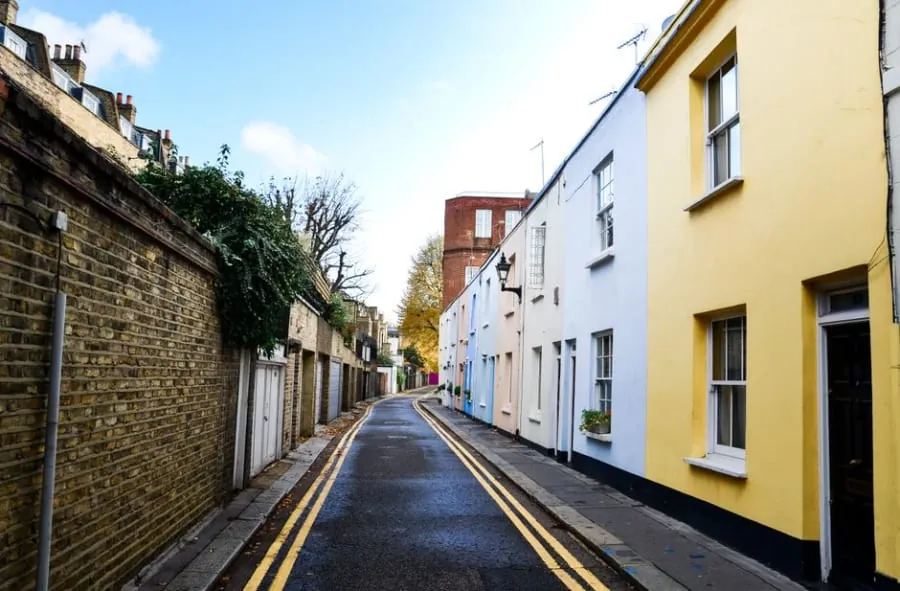
Timing helps here: a settled dry spell makes for the shortest cure and the least disruption, which is one more reason the warmer months suit these jobs - our guide to the best time to install a resin driveway in Rochdale covers the calendar. Narrow shared drives are also exactly the kind of tight, hand-laid space where resin outperforms machine-laid surfaces, as we cover in our small and awkward spaces guide.
Drainage: The Bit That Keeps Both Sides Happy
One quiet advantage of resin on a shared drive: nobody’s rainwater ends up on anybody else. A sealed surface sheds water to wherever the falls send it - which, on a strip between two houses, too often means one household’s run-off pooling against the other’s wall. That is how driveway upgrades turn into damp complaints.
Resin bound is permeable, so rain soaks through where it lands and into the sub-base below, in line with the government’s permeable surfacing guidance. No run-off across the boundary, no puddling against either house, and no planning application either, since permeable surfacing is permitted development. On a shared drive in a borough as wet as Rochdale, that is the difference between an upgrade both sides enjoy and one that starts an argument every time it rains.
Getting a Shared Drive Done Right in Rochdale
The order of operations is the whole trick: deeds first, neighbour second, quotes third. Get the ownership clear, get the agreement in writing, and then bring in an installer who has detailed shared boundaries before - because the edge treatment, the access plan and the curing schedule all need to respect two households, not one.
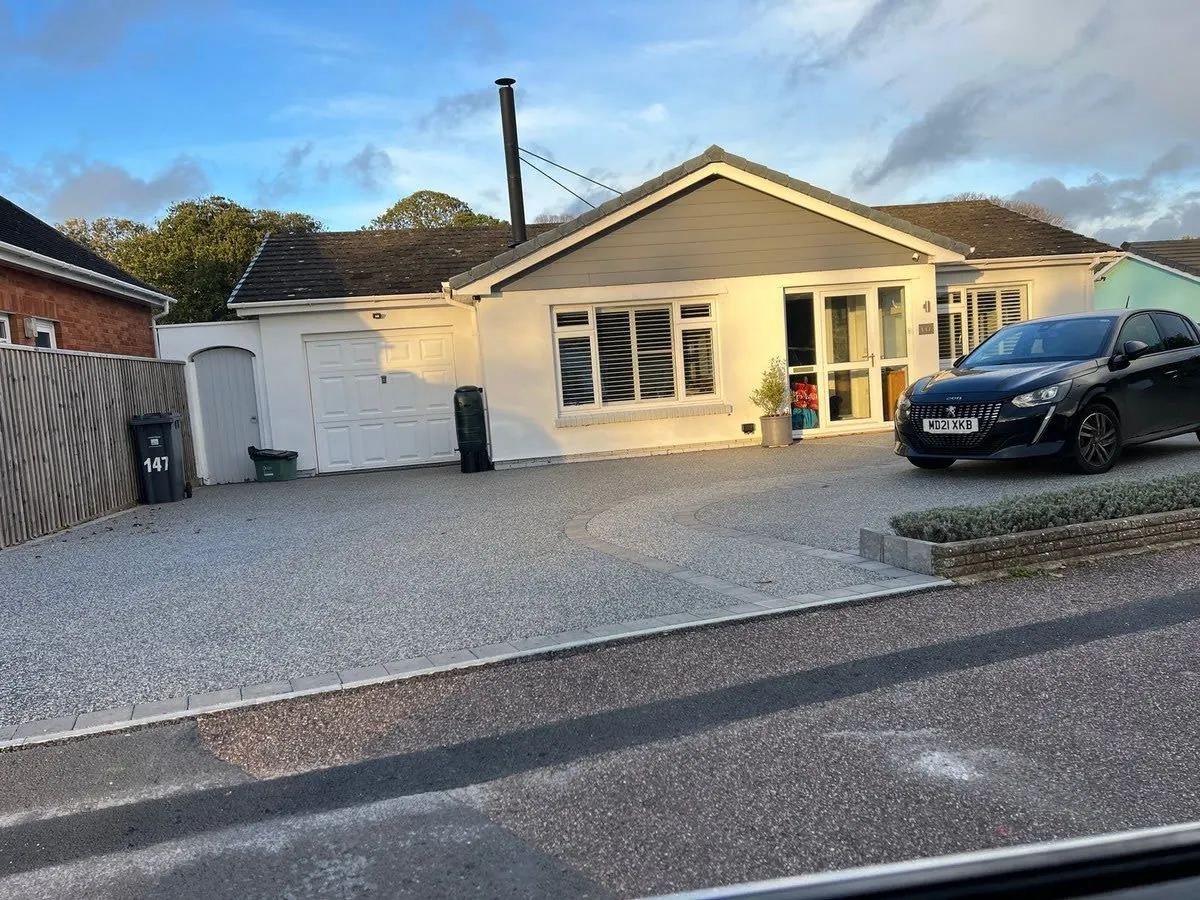
We survey shared drives across Rochdale regularly, and we are happy to quote it both ways - one joint surface, or your half with a properly detailed boundary edge - so you and your neighbour can see the difference in cost and finish before deciding. If it helps the conversation next door, we will meet both households on the same visit and answer everyone’s questions at once.
Frequently Asked Questions
Can you lay a resin driveway on a shared drive?
Yes, and it usually gives the best result when both households do it together as one surface. Because resin bound is hand-laid and jointless, laying the whole shared drive in one visit avoids the seam, colour mismatch and height step you get when each side is surfaced separately. Before any work, check your deeds for who owns what and get your neighbour’s agreement in writing.
Who pays to resurface a shared driveway?
It depends on ownership, which your title deeds will show. If each of you owns your own half with rights of way over the other’s, each usually pays for their side - though doing the work as one job and splitting the bill almost always works out cheaper and looks far better. If the drive is jointly owned, a straight 50/50 split is the norm. Whatever you agree, put it in writing before work starts.
Can my neighbour stop me resurfacing my half of a shared drive?
They cannot normally stop you surfacing land you own, but on a shared drive you must not block their right of way during the works, and anything crossing the boundary needs their agreement. Curing time matters too - a resin surface needs to stay traffic-free for a period, which affects their access. This is why agreement first is not just polite; it avoids a genuine dispute.
What happens if only one half of a shared driveway is resurfaced?
You end up with a visible seam down the middle - two colours, two textures, often a small height difference, and an edge that needs its own restraint to protect the new surface. It works, and we detail that edge properly when we do it, but it never looks as good as one continuous surface. If there is any chance of getting both households on board, one joint job is the better outcome.
Ready to get started? Get a free, no-obligation quote in Rochdale.