
2 September 2026
Do Resin Driveways Need Sealing? What Rochdale Homeowners Get Told
Sealing is the single most common piece of bad advice aimed at resin driveway owners, and it arrives from all directions - a neighbour who had their drive done in something else, a van that pulls up in April with a “special price for the street”, an internet search result written by somebody selling sealer. The answer is short and it does not change: a resin bound driveway does not need sealing, has never needed sealing, and gets worse rather than better when somebody seals it. The longer answer is worth having, though, because knowing why the advice is wrong is what protects you from the next person offering it. Rochdale sees more of these approaches than most towns, for the simple reason that we get close to 1,200mm of rain a year and a wet-looking driveway is easy to sell a solution to.
The Short Answer, And Why It Keeps Getting Contradicted
In a resin bound system, the stone and the resin are mixed together in a forced-action mixer before anything is laid, then trowelled out as a single material. Every piece of aggregate is coated and bonded to the ones around it and to the base underneath. The protection is not a layer sitting on top waiting to wear off - it is the material itself, all the way through.
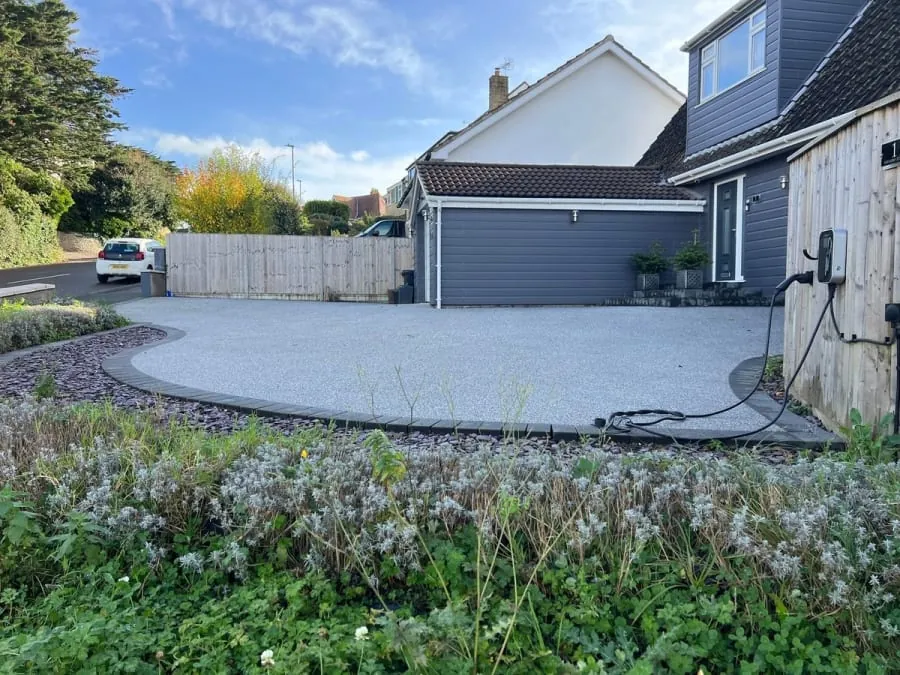
That is a genuinely different arrangement to most driveway surfaces, and it is why advice that holds up perfectly well for concrete or block paving falls apart when applied to resin. The person telling you to seal is not always being dishonest. They are often just applying what they know about the surface they usually work with. It still costs you money and it still damages the drive.
What A Sealer Actually Does To A Surface
A sealer is a thin liquid film. It soaks into the top few millimetres of a porous material, cures, and leaves a barrier that slows water and stains getting in. On something with an open, absorbent face - concrete, natural stone, the sand joints in block paving - that is a real benefit, which is why the product exists.
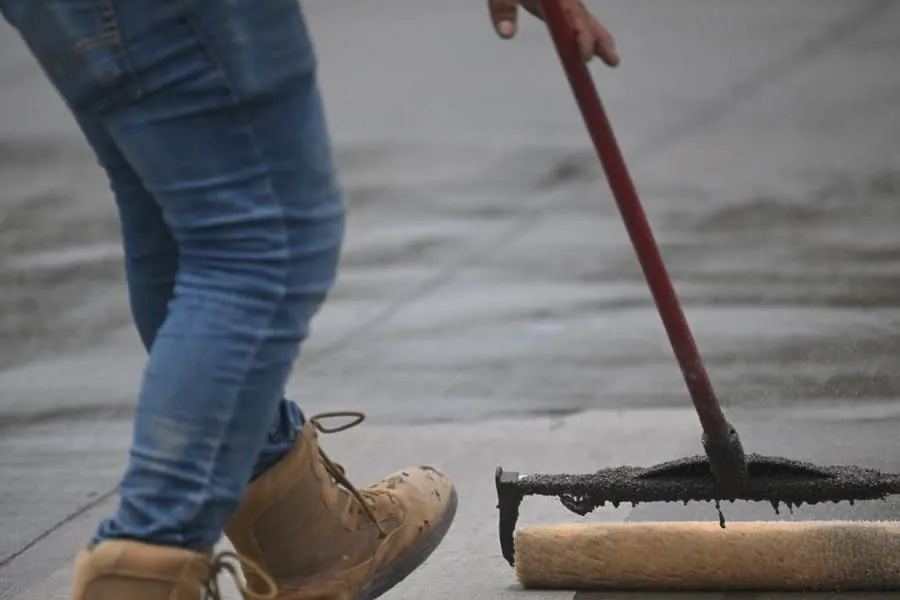
Put the same film onto a resin bound surface and it has nowhere useful to go. The stone is already sealed, in the sense that it is already encased in resin. So the film sits on the surface and does the only thing left available to it: it bridges the gaps between the stones. Those gaps are not a flaw. They are the drainage.
Seal It And You Undo The Reason It Was Laid
The whole point of resin bound is that it is permeable. Water lands on it, passes between the aggregate, through the base and into the ground - which is exactly what allows a front garden conversion to sit outside the planning rules on surface water, as set out in the government’s guidance on permeable surfacing of front gardens.
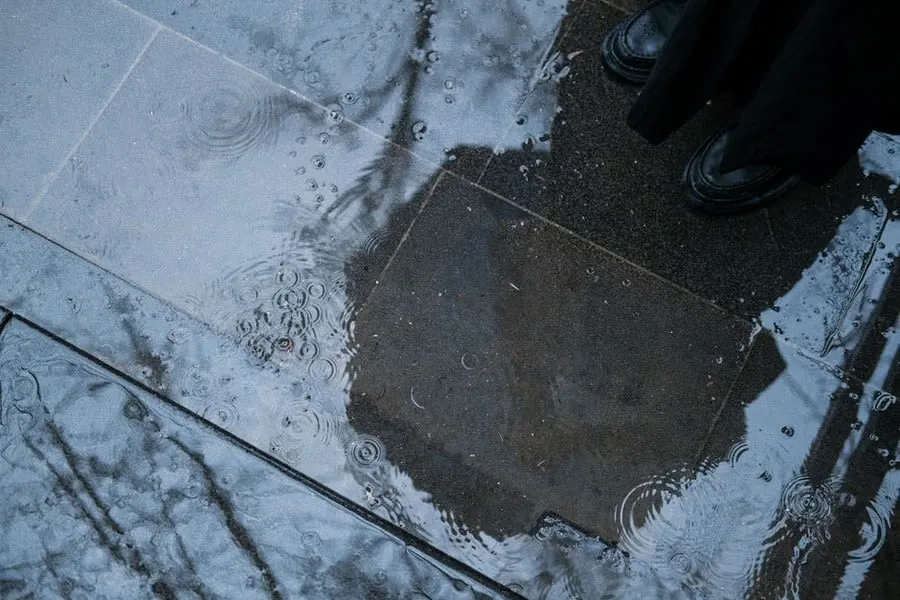
Close those voids and the drive stops draining. Rain that used to disappear now runs across the surface looking for the lowest point, which is usually a doorway, a gatepost or the pavement. In a Rochdale winter that standing water freezes overnight, and a drive that never had a frost problem suddenly has one. The irony is hard to miss: people seal because they are worried about weather, and sealing is what introduces the weather problem.
There is a second failure that shows up more slowly. The film weathers at a different rate to the resin beneath it, so after a couple of winters it goes hazy in patches, peels at the edges where tyres turn, and looks distinctly worse than the untouched surface next to it. Stripping it back is a specialist job and costs more than the sealing did.
The Surfaces That Genuinely Do Need Sealing
None of this means sealing is a scam in general. It is good advice attached to the wrong surface. Pattern imprinted concrete really does need recoating every three to five years, because the colour sits in the top layer and dusts off without protection. Block paving benefits from it, mainly to slow staining and keep weeds out of the sand joints.
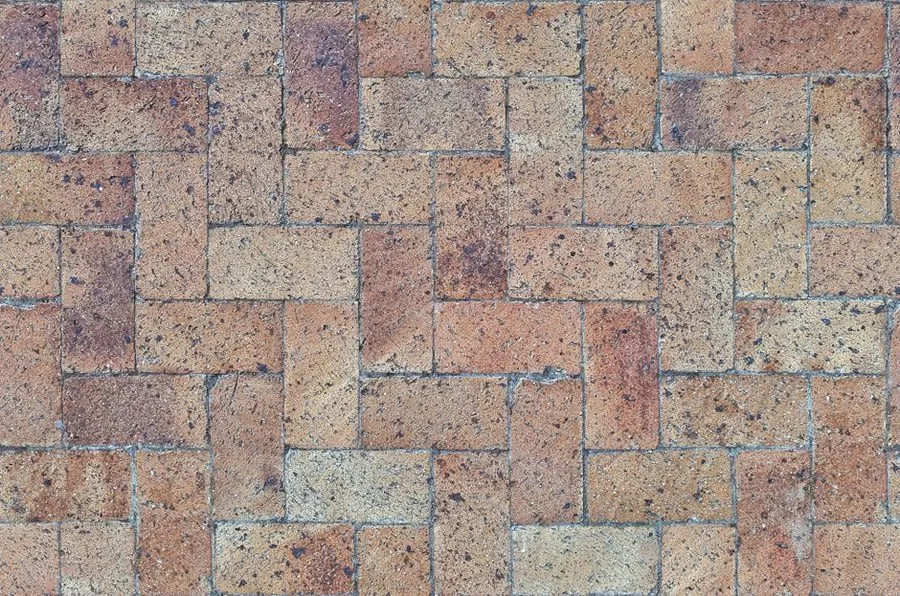
The one that causes the most confusion is resin bonded, which sounds almost identical and is a completely different product. Resin bonded means a layer of resin is spread onto a base and dry stone is scattered over the top to stick to it. The stone sits proud, is not locked in on all sides, and does come loose over time - so bonded surfaces do need attention that bound surfaces do not. When somebody tells you resin needs sealing, this is very often the surface living in their head.
Rochdale Sits Where The Rain Lands
Being on the western edge of the Pennines is not a neutral fact for a driveway. Met Office long-term averages for Rochdale put annual rainfall at close to 1,200mm, against an England average nearer 850mm. Every surface in the borough spends more of the year wet than the national picture suggests, and that is the honest reason people start looking for something to put on their drive.
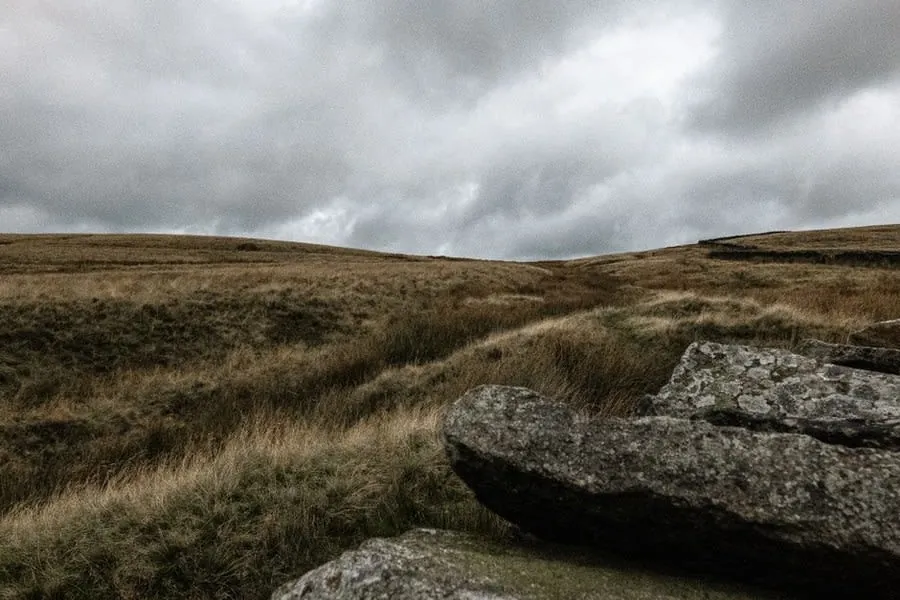
The thing is, that rainfall is an argument for permeability, not against it. A drive that lets 1,200mm a year through into the ground is doing something useful with it. A sealed drive has to move the same volume sideways, across the surface, in a town where a lot of frontages already slope towards the house rather than away from it. If your drive currently copes with a heavy Pennine downpour without you thinking about it, that is the permeability working, and sealing is the fastest way to lose it.
Moss, Shade And The Jobs People Mistake For Sealing
What actually prompts most sealing enquiries is not water. It is green. A north-facing frontage in Wardleworth or a drive tucked behind a hedge in Norden gets very little direct sun between November and February, and organic matter - leaf litter, pollen, the general film a damp winter leaves behind - settles and holds moisture. Moss roots into that film, not into the resin.
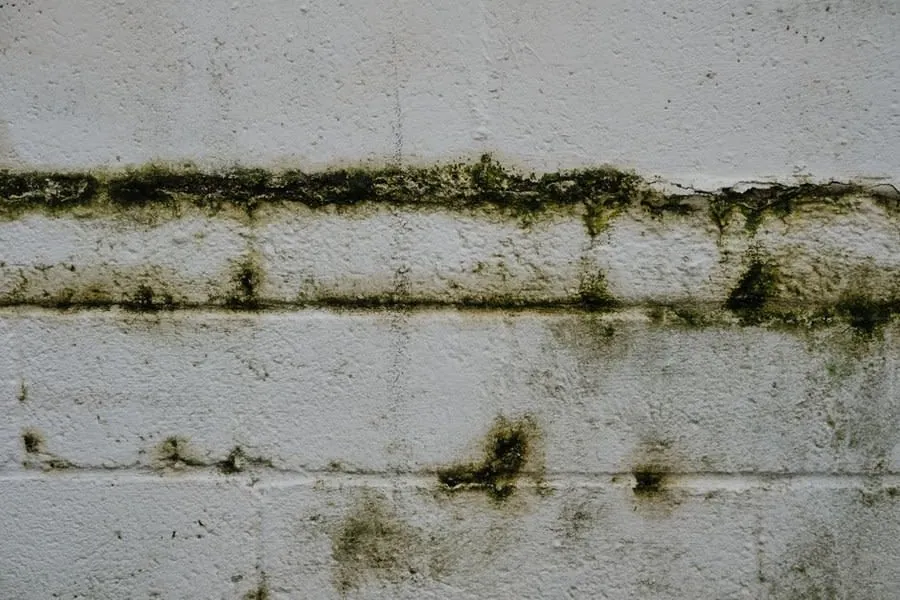
Which means the fix is cleaning, and it is straightforward: sweep when the leaves come down so the film never forms, and give it a rinse once a year with a pressure washer at a modest setting - around 100 to 120 bar, fan nozzle, held back from the surface and kept moving. A sealer does nothing about moss except give it a slightly smoother surface to sit on. Our guide on how to clean and maintain a resin driveway in Rochdale goes through the seasonal routine in more detail.
What A Resin Drive Does Occasionally Need
Nothing is maintenance-free forever, and it would be dishonest to pretend otherwise. What resin bound occasionally needs is not sealing but localised repair: a patch rebound where something heavy has been dragged across a corner, an edge restraint re-fixed after a knock, a small area re-laid where a utility has had to dig.
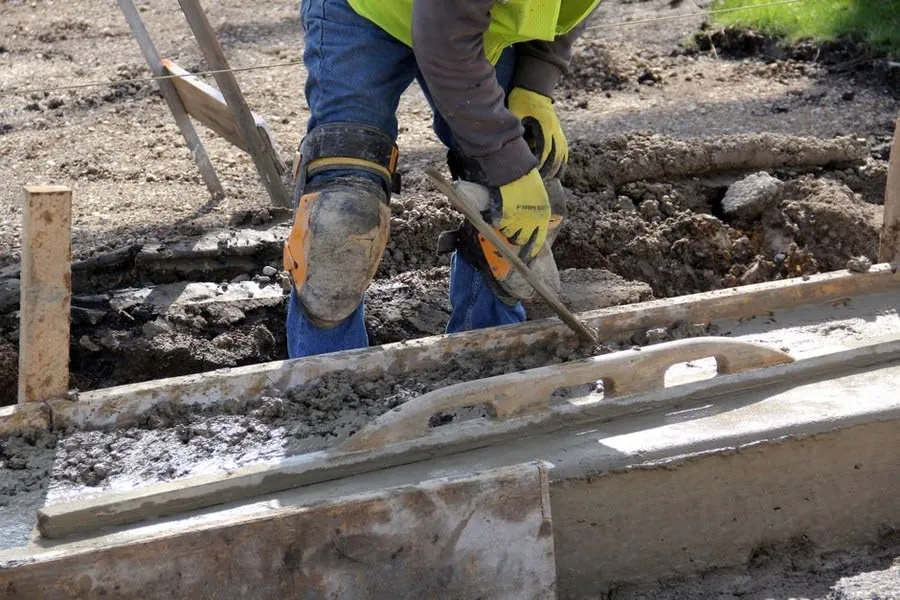
Those are genuine jobs with a genuine method, and they are done with the same material the drive was built from rather than a coating over the top. If you want reassurance about what a properly manufactured system should be able to demonstrate, resin systems and their components can hold certification from bodies like the British Board of Agrément, and asking an installer which system they use is a far better question than asking what sealer they recommend.
If Someone Turns Up Offering To Seal Yours
Doorstep driveway work has a season in Rochdale and it runs from about March to September. The pitch is usually reasonable-sounding: they were working nearby, they noticed your drive looked tired, they can treat it today at a price that only stands today.

Two questions end the conversation quickly. First: which system do you think this is? Anyone who cannot tell resin bound from resin bonded by looking at it is not qualified to put anything on it. Second: what happens to the drainage once the voids are filled? A straight answer to that one does not exist, because the honest answer is that the drainage stops.
The safest position with a resin bound drive is to do nothing to it beyond sweeping and the occasional rinse, and to call somebody only when there is a specific fault to point at. If you are unsure what you have got, or somebody has already put something on your drive and it has gone patchy, send us a photo and ask - we will tell you what you are looking at and whether it needs anything at all, which quite often it does not.
Frequently Asked Questions
Do resin bound driveways need sealing?
No. The resin is the binder holding every stone to its neighbours and to the base beneath, so the protection is built through the full depth of the surface rather than painted on top of it. There is no annual coat, no five-year reseal and no maintenance product you are supposed to buy. Any installer telling a Rochdale homeowner their resin bound drive is due a seal is either describing a different surface or selling something it does not need.
What happens if you seal a resin bound driveway anyway?
Two things, both unwelcome. The sealer fills the voids between the stones that let rainwater drain through, so water starts running off the surface and pooling at the low end instead. And it puts a film on top that weathers at a different rate to the resin underneath, so it goes patchy, hazy or slippery in a couple of years and then has to be stripped. You pay once to have it applied and again to have it removed.
Which driveway surfaces genuinely do need sealing?
Pattern imprinted concrete needs recoating every three to five years or the colour fades and the surface dusts. Resin bonded - loose stone scattered onto a resin film, which is not the same product as resin bound - needs periodic attention because the stone sits proud rather than being locked in. Block paving benefits from sealing to slow staining and weed growth in the joints. All three are where the sealing idea comes from, and it gets applied to resin bound by people who do not distinguish between them.
Does a resin driveway need anything doing to it in Rochdale’s climate?
Very little, but not literally nothing. A sweep when leaves drop stops organic matter breaking down into a film that moss can root in, and a low-pressure rinse once a year - roughly 100 to 120 bar, fan nozzle, kept moving - is enough on a shaded frontage. Rochdale gets close to 1,200mm of rain a year, so the shaded side of a north-facing drive will go green faster than a sunny one. That is a cleaning job, not a sealing job.
Someone knocked on my door offering to seal my drive - what should I ask them?
Ask which system they think you have and what the sealer is meant to fix. A resin bound surface is a solid mass of aggregate you cannot dislodge with a thumbnail; loose stone that moves is a different product entirely. Then ask what happens to the permeability once the voids are filled, because a permeable front garden is what keeps you outside the planning rules on surface water. Anybody who cannot answer both questions is not the person to let near your driveway.