
14 August 2026
Resin Driveways for Period and Victorian Homes in Rochdale
Rochdale is a town built largely of stone. Row after row of Victorian and Edwardian terraces in millstone grit and sandstone, handsome older semis, and pockets of period housing give whole streets their character - and that character deserves a driveway that respects it rather than clashing with it. The good news is that resin bound, chosen well, is one of the most sympathetic modern surfaces you can lay in front of a period home. It is natural stone at heart, it comes in dozens of tones, and it reads as a quiet gravelled finish rather than a slab of something modern. The trick is choosing the right blend and checking a couple of heritage rules first. Here is how to get a resin driveway right on a period or Victorian home in Rochdale.
Why Resin Suits Period Homes Better Than You’d Think
There is a common worry that resin is too modern for an old house. In truth, what jars against period architecture is usually a hard, uniform, obviously-manmade surface - bright block paving in a herringbone pattern, or a flat sheet of grey concrete. Resin bound is none of those things up close: it is natural, rounded aggregate with visible texture and depth.
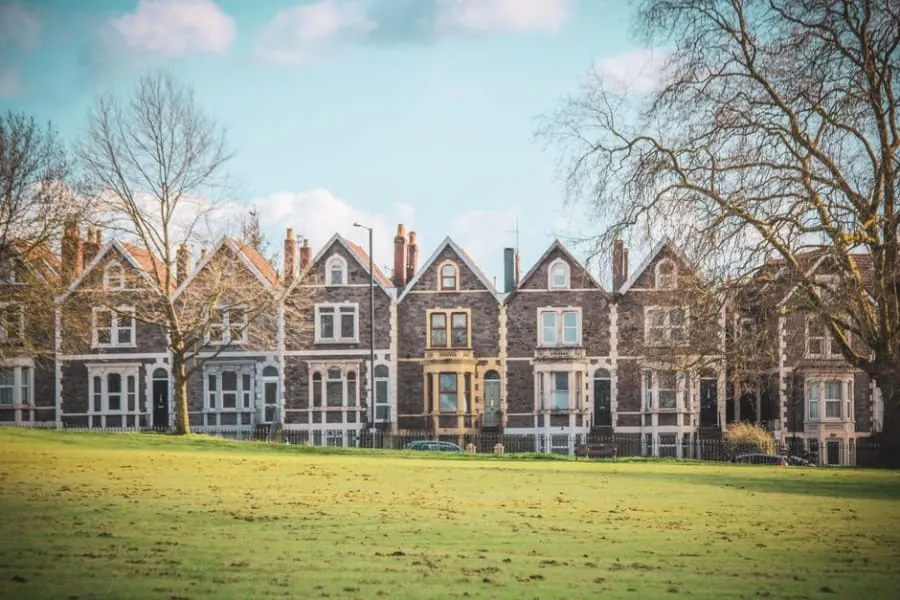
Choose a natural, warm blend and a resin drive reads much like a traditional gravelled forecourt - the look many of these houses would originally have had - but without the loose stone. That combination of a period-appropriate appearance and modern practicality is exactly why so many owners of older Rochdale homes choose it.
Matching the Blend to Stone and Brick
This is where the job is won or lost. Rochdale’s terraces are mostly millstone grit and sandstone - warm, and often darkened with age - and the aggregate should pick up those tones rather than fight them. Buffs, golds, tans and soft browns tend to sit beautifully against gritstone, feeling like they belong.
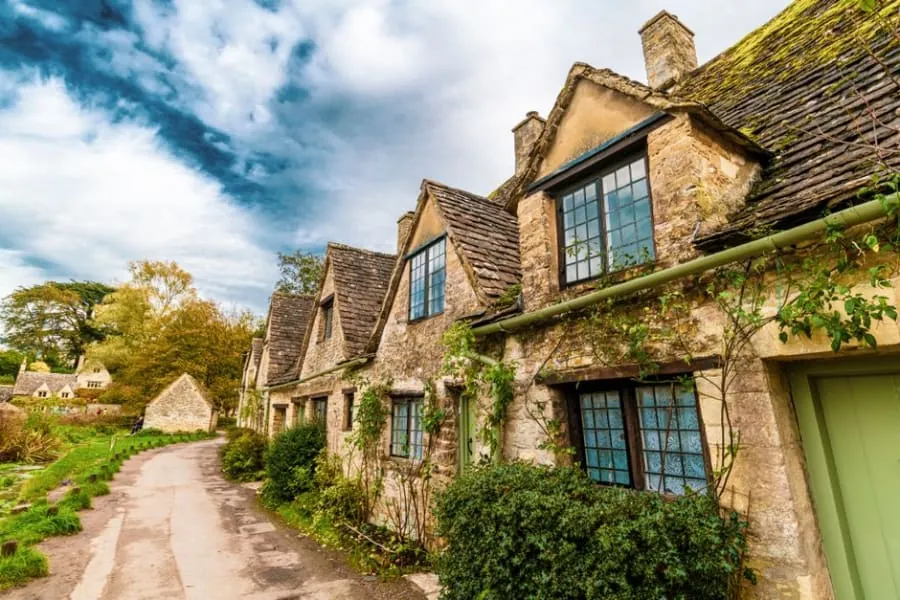
For a crisper, more restrained look - or against darker stone - a muted silver-grey can work very well. Red-brick Victorian homes, of which Rochdale has plenty too, suit warm browns and mixed blends that echo the brick. The huge range of blends is resin’s advantage here; you can match the aggregate to your specific house rather than settling for a standard colour. Our resin bound blends page shows the range.
Red Brick and Later Period Houses
Not every period home is grey stone. Rochdale’s later Victorian and Edwardian streets include plenty of red and buff brick, and these call for a slightly different eye. A blend with warm browns, ambers and a touch of gold tends to complement red brick, tying the drive to the colour of the walls above it.
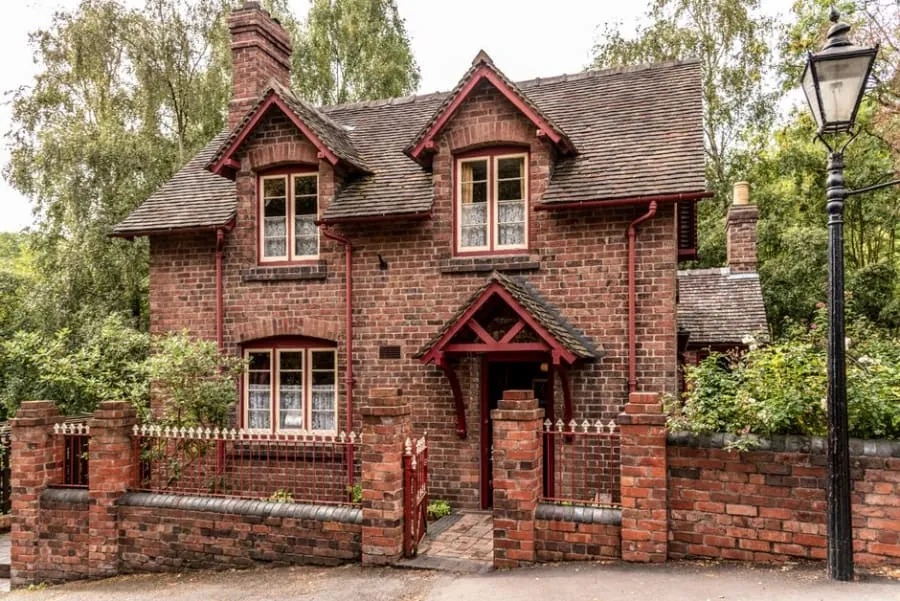
The principle is the same whatever the house is built from: take your cue from the materials already there. A quick look at the stone or brick, the roof, and any original features usually points straight to a blend that will feel like it was always meant to be there.
Conservation Areas and Listed Buildings
Here is the part to check before you get carried away with colour swatches. Rochdale has several conservation areas, and period homes are more likely to sit within one. In a conservation area an Article 4 direction can remove some permitted-development rights, and listed buildings need consent for external changes.
Historic England’s advice on altering the area around your house is a useful starting point, and it stresses looking at your street’s traditional character. A quick check of your property’s status with the council before starting is always worth it - our guide to planning permission for a resin driveway in Rochdale covers how permeable surfaces usually sit within the rules.
Drainage: Kinder to an Old House
There is a practical heritage argument for permeable resin too. Older properties were rarely built with modern drainage, and sealing a period front garden in concrete pushes all its rainwater into a system that was never designed for it. A permeable resin surface lets the water soak away where it falls, much as an original gravelled or planted front garden would have.
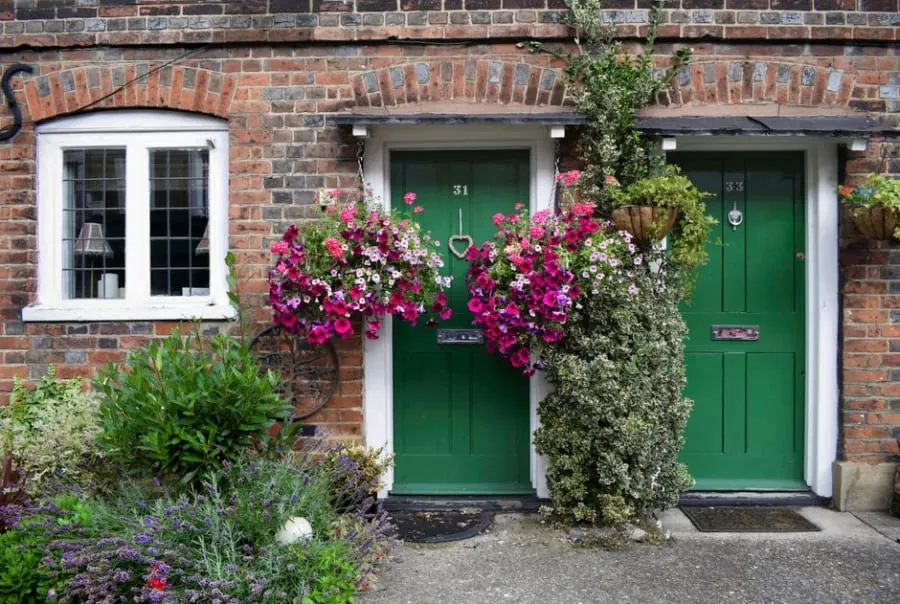
In a wet, flood-conscious borough like Rochdale that is a real plus, and it is one of the reasons conservation guidance leans towards permeable materials. So a well-chosen resin drive is not just sympathetic to look at - it behaves more like the traditional surface it replaces.
Getting a Period-Home Resin Drive Right in Rochdale
Two things make the difference on a period property: the blend and the paperwork. Get the aggregate matched to your stone or brick and the drive flatters the house; check the conservation and listing status first and you avoid an expensive misstep. Neither is hard, but both reward a bit of care.
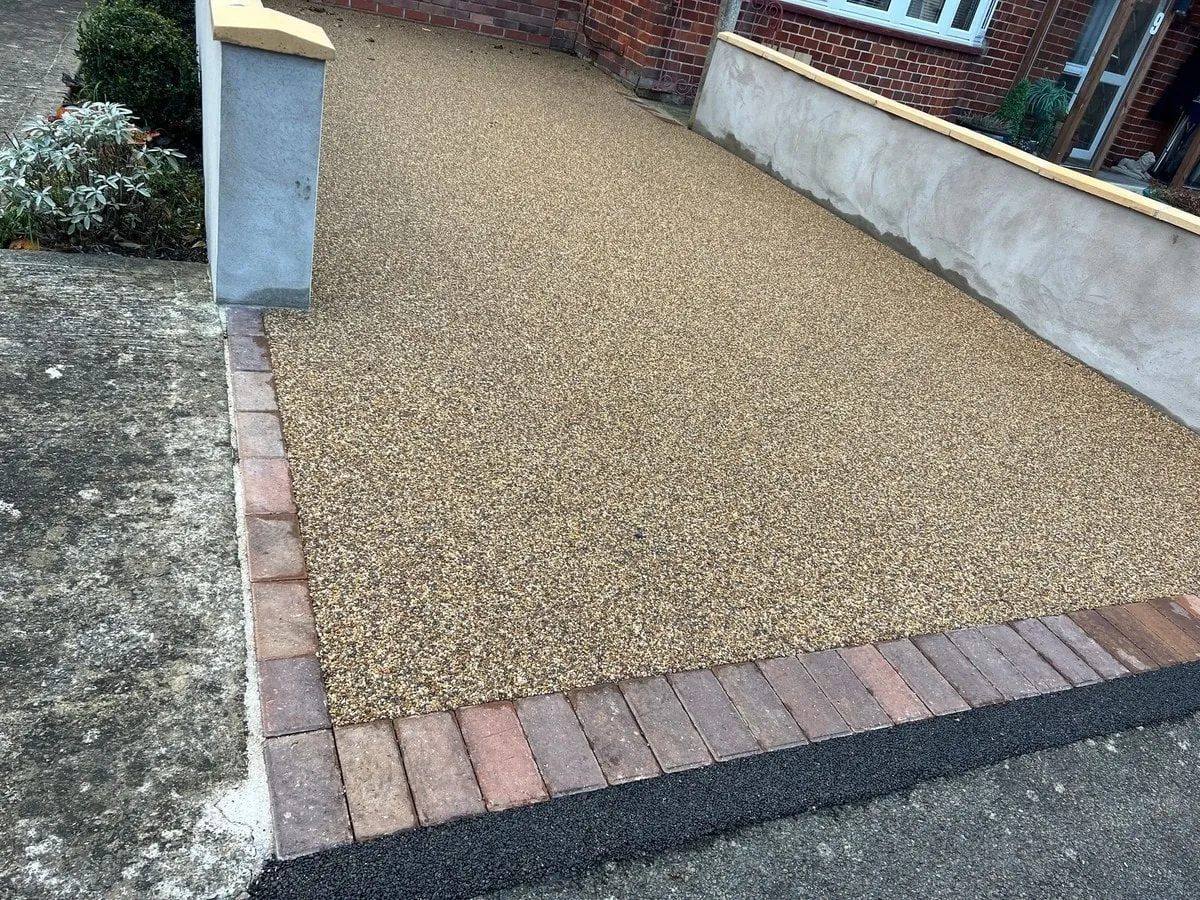
We have laid resin in front of plenty of Rochdale’s older homes, and we are happy to bring blend samples to hold against your stone on a free site visit, and to talk through any conservation considerations before you commit. A period house deserves a surface chosen for it, not off a standard list.
Frequently Asked Questions
Can you have a resin driveway on a Victorian house?
Yes, and it can suit one beautifully. The key is choosing a natural aggregate blend that complements the stone or brick rather than fighting it - warm buffs and browns for millstone-grit stone, or muted greys and blacks for a crisper look. Resin bound is also permeable, which sits well with older properties and with conservation-area drainage expectations.
Do I need permission for a driveway on a period home in a conservation area?
You might. A permeable resin surface is normally permitted development, but conservation areas can have an Article 4 direction that removes some of those rights, and listed buildings need consent for changes. Rochdale has several conservation areas, so it is worth checking your property’s status with the council before starting any work on a period home.
What resin colour suits a stone-built Rochdale terrace?
Warm, natural tones tend to work best against Rochdale’s millstone-grit and sandstone terraces - buffs, golds, tans and soft browns pick up the colour of the stone and feel in keeping. Cooler silver-greys can look smart too, especially on darker stone. The advantage of resin is the sheer choice of blends, so the aggregate can be matched to the specific stone of your house.
Is resin sympathetic to a heritage property?
It can be, if it is chosen with care. A well-matched natural aggregate reads as a quiet, traditional-looking gravelled surface rather than a modern slab, so it tends to sit comfortably with period architecture. Historic England encourages looking at your street’s traditional materials when making changes, and a sympathetic blend of natural stone in resin usually complements rather than jars.
Ready to get started? Get a free, no-obligation quote in Rochdale.