
2 September 2026
Resin Driveways For Rental Properties In Rochdale: A Landlord's Guide
There is a version of buy-to-let maths that only ever looks at the inside of a house. New kitchen, damp course, boiler, decorate, let. The front of the property gets whatever it had when you bought it, which around Rochdale is very often a scrappy run of gravel, a patch of grass worn into ruts, or a concrete slab laid when the house was built and cracked ever since. It is the one part of the property every viewer sees before they open the door and the one part nobody budgets for. Renting in the borough has grown quickly - the Census 2021 profile for Rochdale shows private renting rising from 13.2% of households in 2011 to 18.3% in 2021 - and with more stock chasing the same tenants, the things that used to be a bonus have quietly become the tie-breaker. Parking is top of that list.
Rochdale’s Rental Market Grew Faster Than Its Parking Did
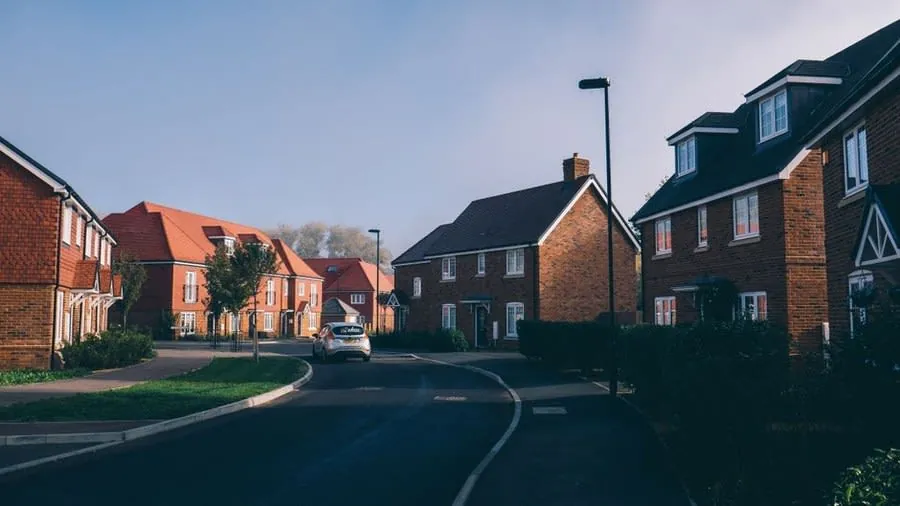
The borough’s rental stock is concentrated in exactly the streets that were built before anybody owned a car. Deeplish, Wardleworth, Milkstone and the terraces off Oldham Road were laid out for foot traffic and the odd cart. Newer investor stock in Castleton, Kirkholt and the semis around Norden and Bamford has front gardens, which is a different problem: a garden is space you own but cannot park on until somebody does something about it.
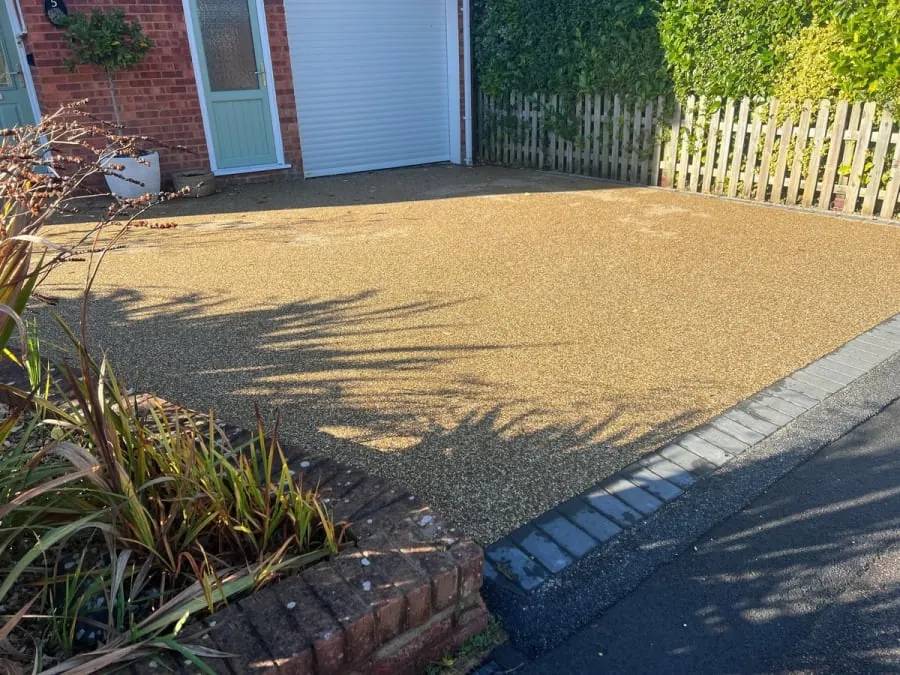
That gap is where the letting advantage sits. Two similar three-bed houses on the same road, one with a drive and one without, do not attract the same enquiries, and they do not hold tenants for the same length of time. Somebody who has spent two years circling for a space at half seven in the evening moves the first time something with parking comes up. A resin bound driveway is not the only way to solve that, but it is the one that keeps solving it without you being involved.
What Doing Nothing Actually Costs
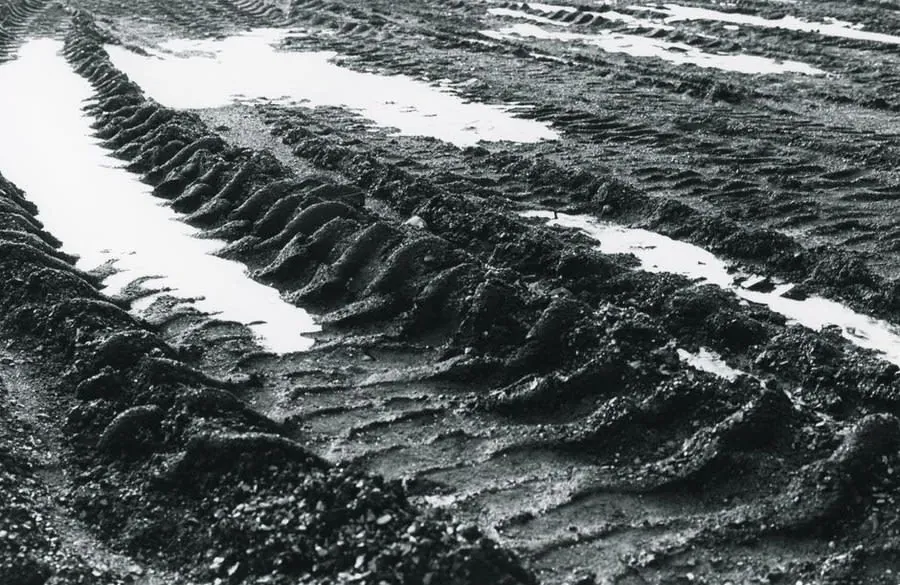
Nobody itemises the cost of leaving the front alone, which is why it feels free. It is not. Loose gravel migrates - onto the pavement, down the gullies, into the hallway on the soles of shoes - and gets topped up every few years by somebody you pay. Worn grass turns into mud from October onwards, and mud gets walked into carpets you will end up replacing early. Cracked concrete holds water, water freezes, and the crack widens every winter until an inspection flags it as a trip hazard.
None of those are big bills on their own. That is the trap. They arrive in eighties and hundreds, spread across years, attached to different contractors, and never get added up. Landlords who do add them up are usually surprised how close a decade of small remedies gets to the cost of doing the job once.
What Comes Off Your Repairs List
The practical case for resin on a let property is boring, and boring is the point. There is no sealing schedule. There is nothing to re-lay when a wheel turns on it. Weeds have nowhere to root because there are no joints for seed to sit in. It does not sink into ruts where the same car parks every night, because the load is carried by the sub-base underneath rather than by loose stone.

For a landlord, that translates into something narrower and more useful than “low maintenance”. It means the front of the property is no longer a thing tenants report, agents chase, or inspections write up. Whatever you were spending managing the outside, most of it stops.
Off-Street Parking Is A Letting Feature, Not A Nicety
Look at how rental listings are actually read. Photographs get about three seconds each, the first one usually shows the front of the house, and “off-road parking” is a filter people tick before they see a single property. A tidy, uniform surface photographs well in the flat grey light Rochdale gets for a good part of the year, which matters more than it sounds when your listing is competing with forty others taken on the same dull afternoon.
There is a second effect that shows up later. Properties that let quickly to people who intended to stay tend to have shorter voids and fewer turnovers, and turnover is where landlord money really goes: the void weeks, the clean, the touch-up, the agent’s re-let fee. A front that helps a tenant stay put pays for itself in a currency that never appears on a maintenance invoice.
The Numbers Across A Holding Period
Around Rochdale, a straightforward single-vehicle frontage on sound existing ground generally lands somewhere in the £2,500 to £3,500 bracket. A larger front garden conversion, or a job where the ground has to be dug out and rebuilt properly, moves up towards £4,500 to £5,500. Those are real ranges rather than headline prices, and the variable is almost always what is underneath rather than what goes on top.

The number that matters to a landlord is not the invoice, though. It is the invoice divided by how long you will own the house. Hold a property fifteen years, which plenty of Rochdale landlords do, and a £3,000 drive is £200 a year for something with no service cost attached. Judge it against one tenancy and it looks like an extravagance. Judge it against the hold, and it is one of the cheaper lines in the portfolio. The same logic applies when you buy - if you are viewing investment stock that already has resin down, our guide on what to check on a resin driveway before you commit to a house covers the condition and paperwork questions worth asking the vendor.
Book It Into A Void, Not Around A Tenant
Timing is the part landlords get wrong most often, and it is entirely fixable. Laying a drive means a couple of days of groundwork, a delivery of stone, a mixer running on site and a surface nobody drives on for two to three days after it goes down. Doing that around a sitting tenant means negotiating parking, tolerating noise and accepting that any complaint lands with you.
Voids are dead weeks you are already paying for. Slotting the work in between tenancies costs you nothing extra in lost rent, gets the photographs updated before the property goes back on the market, and removes any question of disturbance. If a tenancy is ending in spring or early autumn, that is the call to make - book the quote before the notice period is up rather than after the keys come back.
Where Landlords Get This Wrong
The recurring mistake is buying on price for a property you do not live at. A drive at a rental takes the same weight as a drive at your own house, and in HMO or shared-let situations it often takes more, with several vehicles arriving and leaving daily rather than one. What separates a surface that lasts twenty years from one that fails in three is depth and compaction of the sub-base, and that is precisely the invisible part a cheap quote trims.
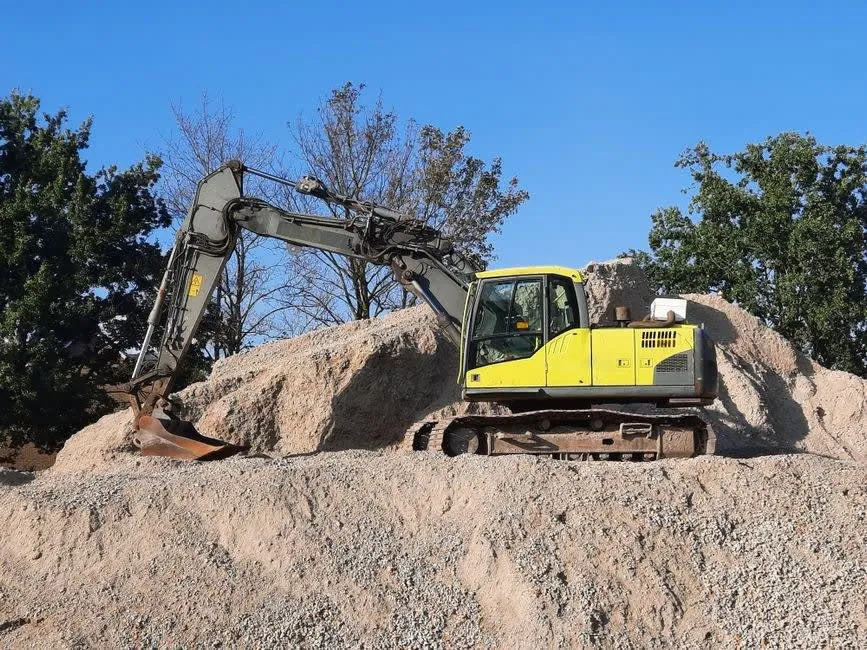
Ask any quote to state the excavation depth and the sub-base build, in writing, before you compare prices. A quote that only names a colour and a square-metre rate is not a quote you can compare against anything. Ask for the drainage arrangement too, because water that has nowhere to go is the second most common cause of early failure and the easiest to design out at the start.
HMOs, Licensing And The Detail Nobody Reads
If the property is a licensed HMO, parking becomes a live issue rather than a marketing one. Rochdale operates mandatory HMO licensing, while Rochdale Borough Council’s page on selective licensing confirms selective licensing has not yet been introduced across the borough - so for most standard lets the licensing burden sits with HMOs specifically. 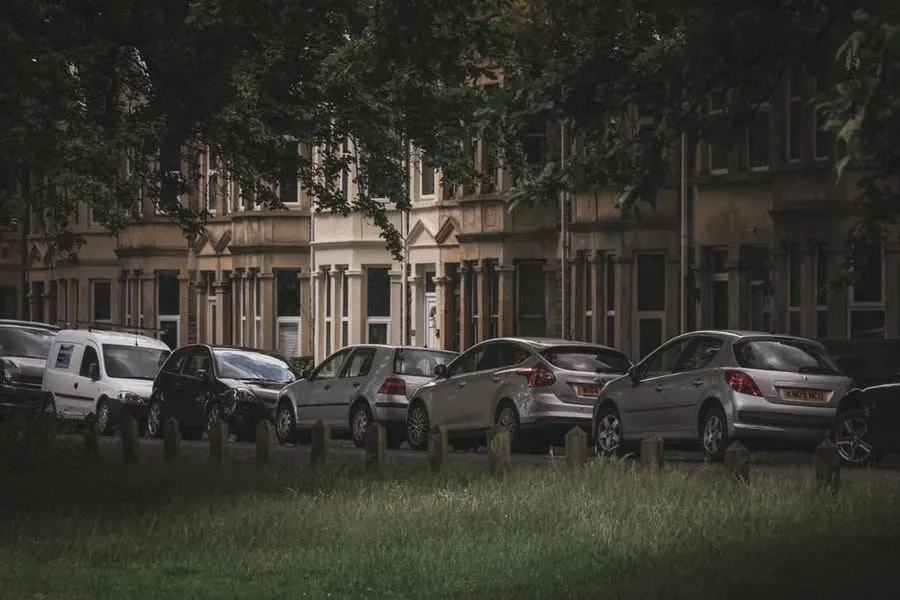
Where several tenants each keep a car on a terraced street, on-site parking stops neighbour complaints before they start, and neighbour complaints are the raw material of most enforcement attention.
Then there is the surface water question, which applies to every landlord doing a front garden conversion. Permeable surfacing avoids the planning trigger that impermeable paving creates, as set out in the Planning Portal’s guidance on paving front gardens. Resin bound is permeable by design when it is laid on the right base, so the rain that lands on it goes into the ground rather than out onto the highway. It is one of those details that costs nothing to get right at the start and is expensive to fix retrospectively.
If you have a Rochdale rental with a front that is letting the property down, we will price it properly, tell you what is under the existing surface before you commit, and work to your void dates rather than ours. Ask for a quote on a rental property and you will get a written figure with the groundwork spelled out.
Frequently Asked Questions
Is a resin driveway worth it on a rental rather than a home you live in?
It depends entirely on how long you intend to hold the property. Spread over one two-year tenancy the spend looks heavy. Spread over the ten to fifteen years most Rochdale landlords actually keep a house, it works out at a couple of hundred pounds a year for a surface that needs no tenant co-operation to stay in good condition, and that is usually cheaper than the loose-stone-and-mud cycle it replaces.
Can I recharge driveway work to a tenant or claim it against tax?
Not against a tenant, no. Resurfacing the front of a property is your cost as owner, and deposit deductions cannot cover it. On tax, replacing a worn-out surface is generally treated differently from creating a driveway where none existed, which tends to be capital. It is genuinely worth a five-minute call to your accountant before the job rather than after, because the invoice wording can matter.
Do I need permission to turn a rental’s front garden into parking in Rochdale?
Two separate things. The surface itself usually needs no planning permission when it is permeable, which resin bound is. Crossing the footpath is different: any new or widened vehicle crossing needs approval from Rochdale Borough Council’s highways team and is carried out under their control, not by your driveway contractor. On a rental, start that application early, because it moves at council pace and not at void-period pace.
Will a resin driveway survive tenants who are harder on a property?
The surface itself is not the fragile part - a correctly built resin bound drive handles daily parking, oil drips and winter without complaint. What fails under heavy use is a thin or badly compacted sub-base, which is exactly where cheap quotes save their money. If the property takes multiple vehicles or the occasional works van, specify the depth properly at quote stage and the tenancy will not be the thing that breaks it.
How long is the property out of action while the drive is laid?
For a typical Rochdale forecourt or front garden, two to three days on site, occasionally four where the ground has to come out deeper than expected. Nobody parks on it for another two to three days after that. In practice that means a working week of no parking, which is why we would always rather book it into a void than negotiate it around a sitting tenant.