
14 August 2026
Resin vs Gravel Driveways: Which Is Right for Your Rochdale Home?
Resin and gravel are closer cousins than most people realise - both are made from the same natural aggregate, and both let rainwater soak away. The difference is what holds the stone in place. Gravel leaves it loose; resin bound locks every stone into a clear resin. That one distinction changes almost everything about how the two surfaces look, wear and behave, and in a hilly, wet borough like Rochdale it matters more than it would on a flat, dry plot down south. Gravel is the cheaper start, no question. But cheaper to lay is not the same as cheaper to live with. Here is an honest comparison to help you decide which is right for your Rochdale drive.
The Cost Comparison
Let’s deal with the money first, because it is usually why gravel is on the table. Loose gravel is one of the cheapest ways to surface a driveway - spread over a membrane and edged, it can be done for a fraction of a resin drive. Resin bound costs more upfront because it needs a properly built sub-base and a skilled team to lay it.
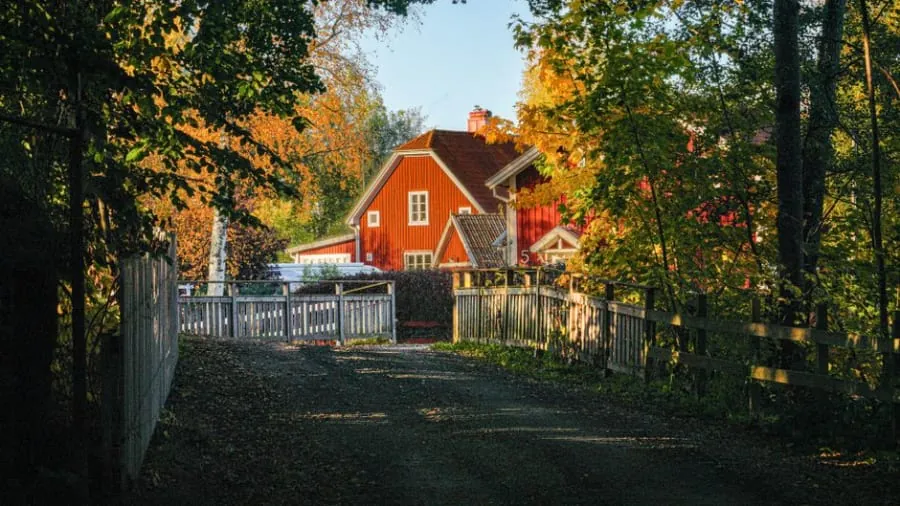
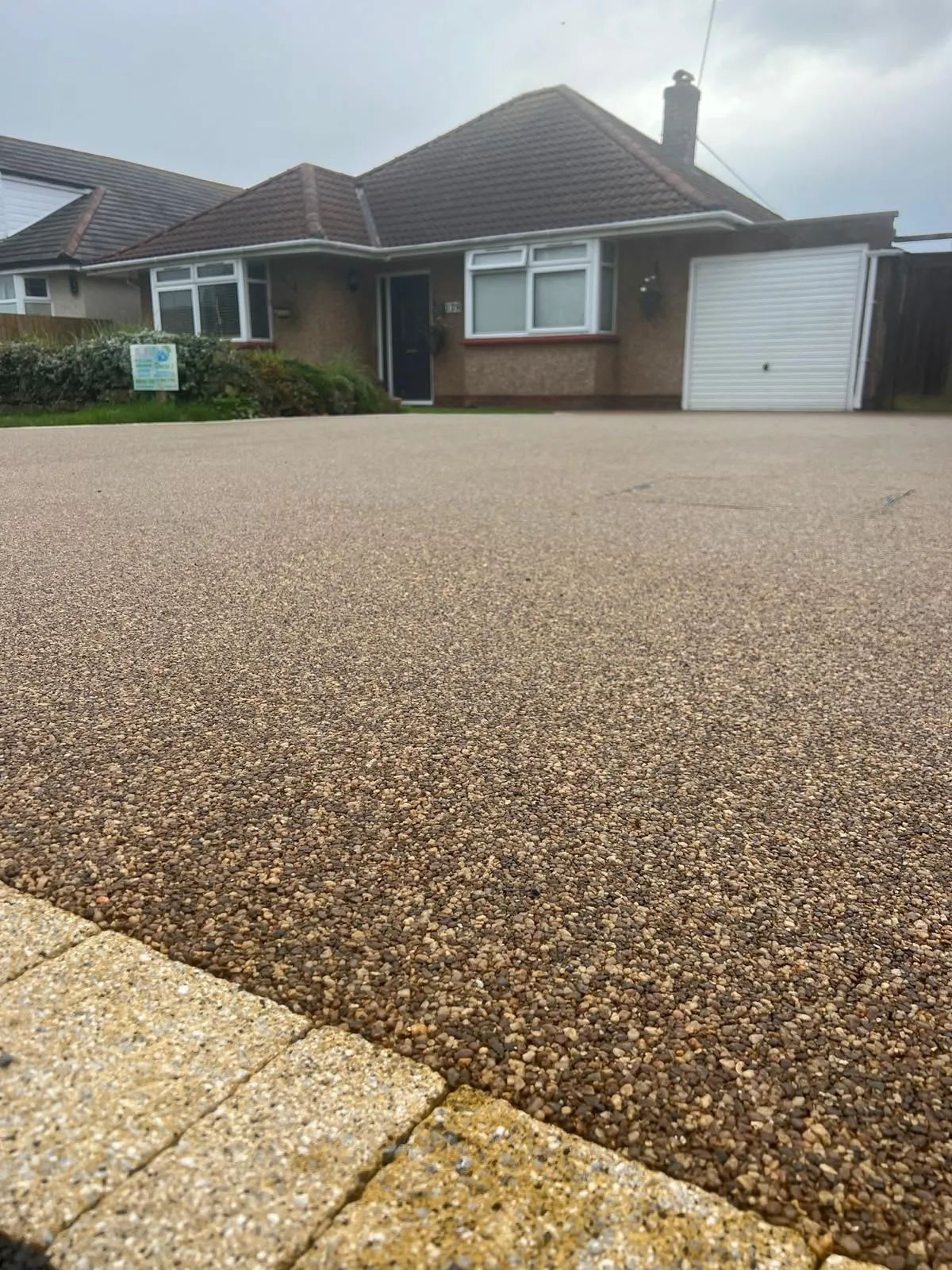
But the upfront figure is only half the story. Gravel needs topping up every few years as it scatters and sinks, and it eats weekends in raking and weeding. Resin costs more once and then largely leaves you alone. Over 15 to 20 years the gap narrows a lot, and resin comes with a lifespan gravel cannot touch. You can see how the resin surface is built on our resin bound driveways page.
The Loose Stone Problem
This is gravel’s defining drawback, and it is a daily one. Loose stone does not stay where you put it. It kicks up against the car, tracks into the house on shoes, gets flung onto the lawn by tyres, and ends up in the gutter and down the drain. On a busy drive it is a constant low-level nuisance.
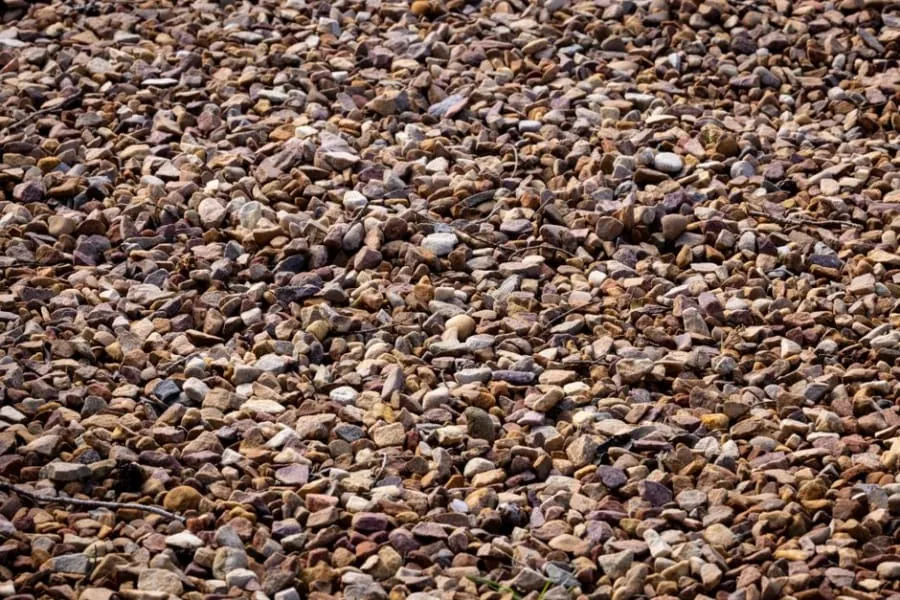
Resin bound solves this completely. Every stone is locked into the resin, so you get the exact same natural aggregate look with none of the scatter. Nothing migrates, nothing gets tracked indoors, and the surface stays where it was laid - which is the single biggest reason people upgrade from gravel to resin.
How Each Handles a Rochdale Slope
Rochdale is hilly, and this is where gravel really struggles. On any gradient - and a lot of the borough’s streets sit on one - loose gravel simply will not stay put. Every car that drives up and every heavy downpour drags it downhill, so it piles up at the bottom, thins out at the top, and needs constant raking back.
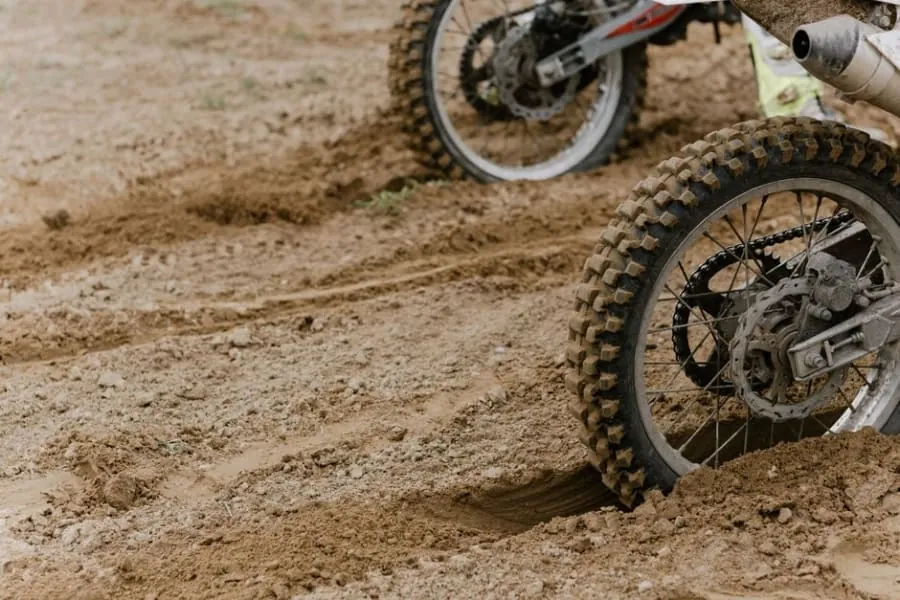
Resin bound is fixed in place, so a slope is no problem at all - it is troweled to follow the gradient and stays exactly where it is laid. If your drive slopes even slightly, that one difference often settles the decision, as we cover in our guide to resin driveways for sloped and steep plots in Rochdale.
Weeds and Maintenance
Both surfaces are low-ish maintenance compared with, say, block paving, but gravel asks more of you than people expect. Weeds root in the debris that collects between the stones, the surface needs regular raking to stay level, and the top-ups never quite stop.

Resin bound has no loose bed for weed seeds to root in and no low spots to rake out, so upkeep drops to an occasional sweep and rinse. In the damp Rochdale climate that difference is real - the wetter it is, the more a gravel drive wants weeding and tidying, while a resin one just gets on with it.
Looks and Kerb Appeal
Both start from natural stone, so both can look good - but they read very differently. Gravel has an informal, cottagey character that suits some properties, though it can look scruffy fast once it scatters and beds down unevenly. Resin bound gives a crisp, smooth, contemporary finish that stays looking deliberate.
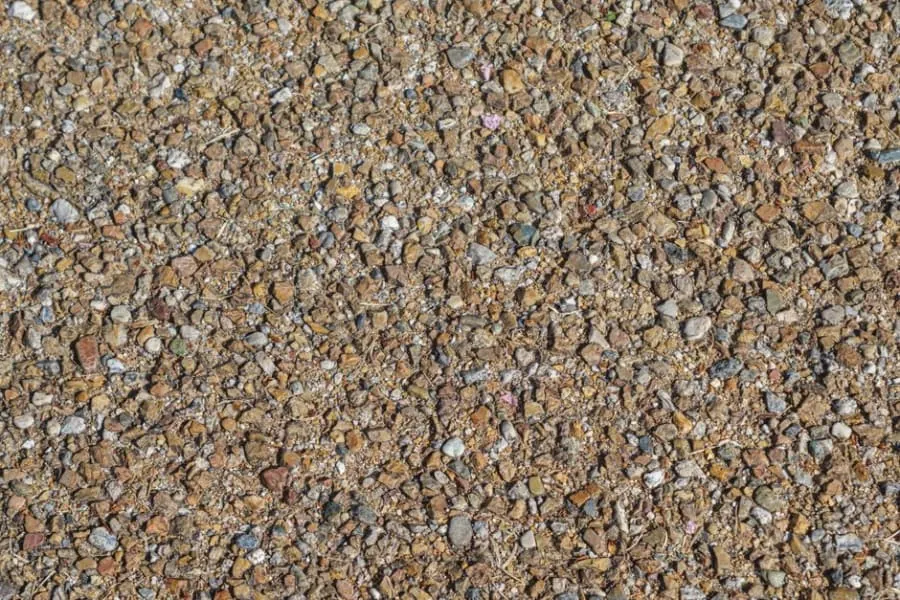
For kerb appeal and resale, a smart resin drive generally does more for a Rochdale home than gravel, which can read as a budget option to a buyer. With dozens of aggregate blends, resin also lets you match the stone to the house far more precisely than a single bag of gravel.
So, Which Should You Choose?
If your budget is tight, the drive is flat, and you like the informal look, gravel is a perfectly reasonable choice - just go in knowing you will be raking, weeding and topping it up. For most Rochdale homes, though, resin bound is the better long-term call: the same stone, but smooth, fixed, low-maintenance and far better on a slope or in the wet.
The honest way to decide is to weigh the upfront saving of gravel against years of easier ownership with resin. If you are leaning towards resin and want a real figure for your plot, our price calculator gives you a quick ballpark, and a free site visit turns it into a proper quote.
Frequently Asked Questions
Is resin better than gravel for a driveway?
For most Rochdale homes, yes. Gravel is cheaper to lay, but it scatters, sinks into ruts, grows weeds and needs topping up. Resin bound uses the same natural stone locked into a resin, giving a smooth, permeable, low-maintenance surface with none of gravel’s loose-stone problems. Gravel wins mainly on upfront price; resin wins on looks, upkeep and how long it lasts.
Is gravel or resin cheaper?
Gravel is cheaper upfront - it is one of the lowest-cost ways to surface a drive. Resin bound costs more to install because it needs a proper sub-base and a skilled team. But gravel needs topping up every few years and constant tidying, so over 15 to 20 years the running costs narrow the gap, and resin lasts far longer without redoing.
Does gravel work on a sloped Rochdale driveway?
Not well. On a slope - common across hilly Rochdale - loose gravel migrates downhill with every car and every downpour, collecting at the bottom and thinning at the top. Resin bound is fixed in place, so it stays put on a gradient. If your drive slopes at all, that alone is often the deciding factor in favour of resin.
Do resin and gravel both drain well?
Both are permeable and let water soak through, which is good news in a wet borough like Rochdale. The difference is that gravel migrates and can clog or thin out over time, while a bound resin surface keeps its drainage consistent and stays put. Both usually avoid planning permission because they are permeable, unlike solid concrete or tarmac.
Ready to get started? Get a free, no-obligation quote in Rochdale.