
14 August 2026
Resin vs Indian Sandstone Paving: Which for Your Rochdale Home?
Indian sandstone and resin bound are two of the most popular surfaces for a patio or path, and they could hardly be more different in character. Sandstone is natural stone - solid slabs, riven texture, laid one at a time and pointed by hand. Resin bound is natural aggregate too, but bound into one smooth, jointless, permeable sheet. Both look good; both cost more than a basic slab. The right choice for a Rochdale garden comes down to how much you value that solid-stone look against drainage and near-zero upkeep in a damp, frost-prone climate. Here is an honest comparison to help you decide.
The Look: Natural Slab vs Smooth Sheet
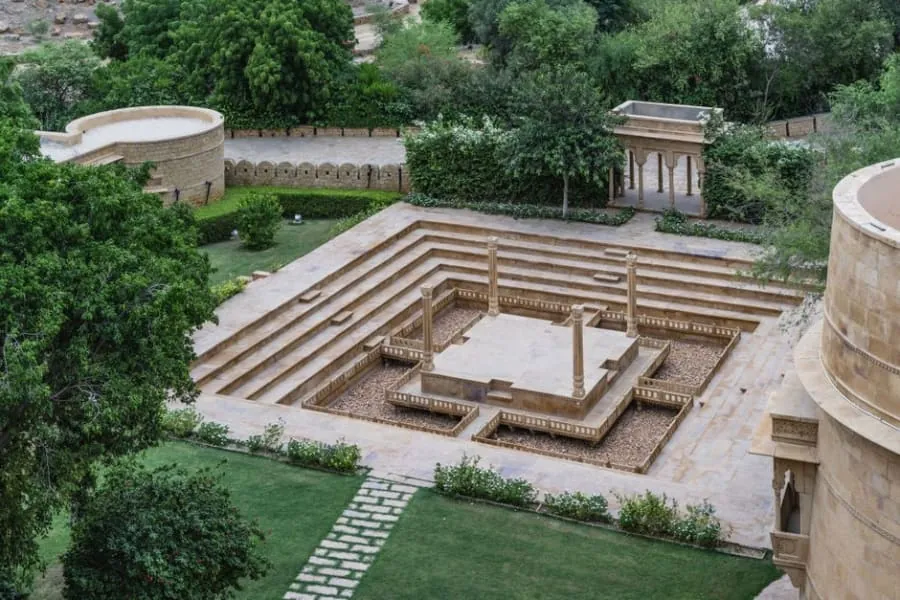
This is the most obvious difference and often the deciding one. Indian sandstone gives you the timeless character of natural stone - individual riven slabs, subtle colour variation, and a solid, traditional feel that suits cottage and period gardens beautifully.
Resin bound is a different aesthetic: smooth, unbroken and contemporary, in whatever aggregate colour you choose. Neither is better - it is taste. If you want the honest, handmade look of laid stone, sandstone delivers it. If you want a clean, uninterrupted modern surface, resin does. Our resin bound patios page shows the resin finish.
Drainage: Where the Climate Decides
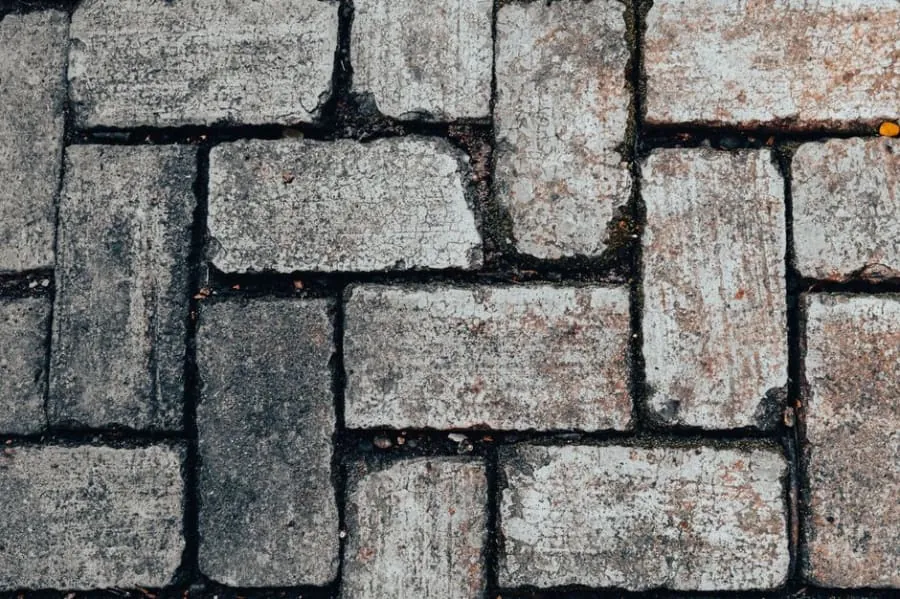
Here Rochdale’s weather tips the scales. Indian sandstone is almost always laid on a full mortar bed and pointed, which makes it impermeable - water runs off it to wherever the fall directs, and on a flat or badly-drained patio it can pool. In a borough that gets a third more rain than the UK average, that matters.
Resin bound is permeable - rain soaks straight through into the base and away, so there is no run-off and no standing water. That is not just convenient; it is the direction drainage rules push towards, as the government’s permeable surfacing guidance sets out. In wet Rochdale, permeability is a genuine practical win.
Moss, Algae and Slip
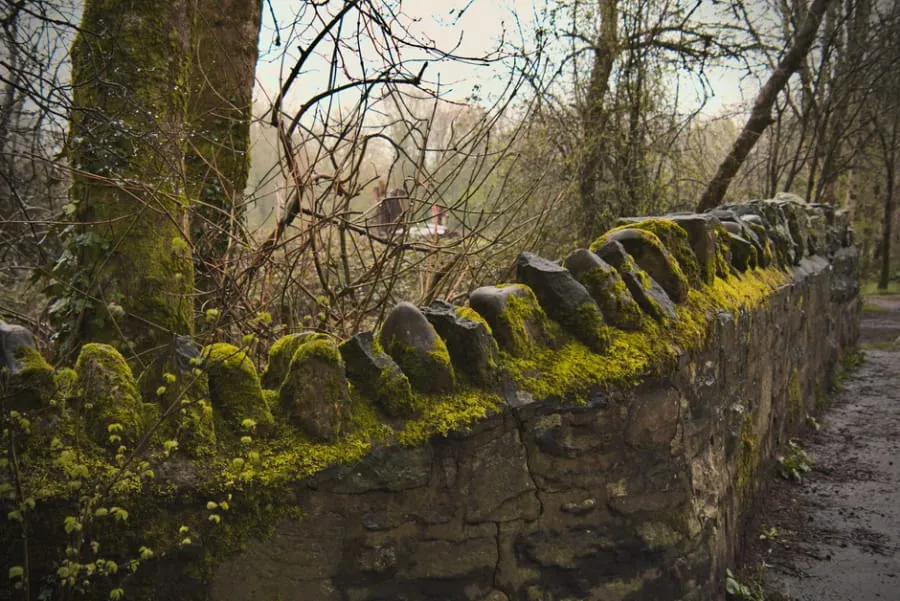
Damp and natural stone are a slippery combination. Sandstone holds moisture, and in Rochdale’s shaded, wet gardens it readily grows the algae and moss that make a patio treacherous underfoot - the RHS notes that these growths return wherever damp conditions persist, so it becomes a recurring cleaning job.
Resin bound is far less prone to it. Because water drains through rather than sitting on the surface, there is less for algae to feed on, and the exposed aggregate gives natural grip. You still sweep it now and then, but you are not fighting a green film every autumn the way you can with shaded sandstone.
Weeds and the Joint Problem
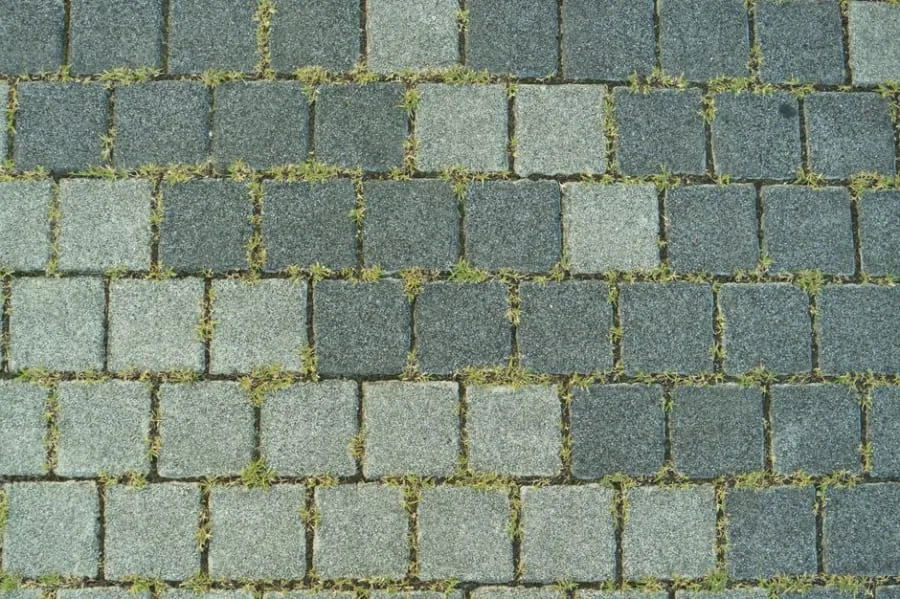
Every slab surface has joints, and joints are where the trouble starts. Sandstone is pointed with mortar, but over the years pointing cracks and weathers, and weeds and moss get a foothold in the gaps. Re-pointing is a periodic maintenance job that comes with any laid-slab patio.
Resin bound has no joints at all. It is one continuous surface, so there is nowhere for weeds to root and no pointing to fail. For anyone who does not fancy spending weekends weeding between slabs, that jointless finish is a big part of the appeal - it is one of the main reasons people move from stone to resin.
Maintenance and Cost Over Time
Upfront, the two are broadly comparable and both sit above budget slabs or gravel - sandstone’s price rides on the stone grade and the labour to lay and point it, resin’s on the aggregate and groundwork. The difference shows over the years.
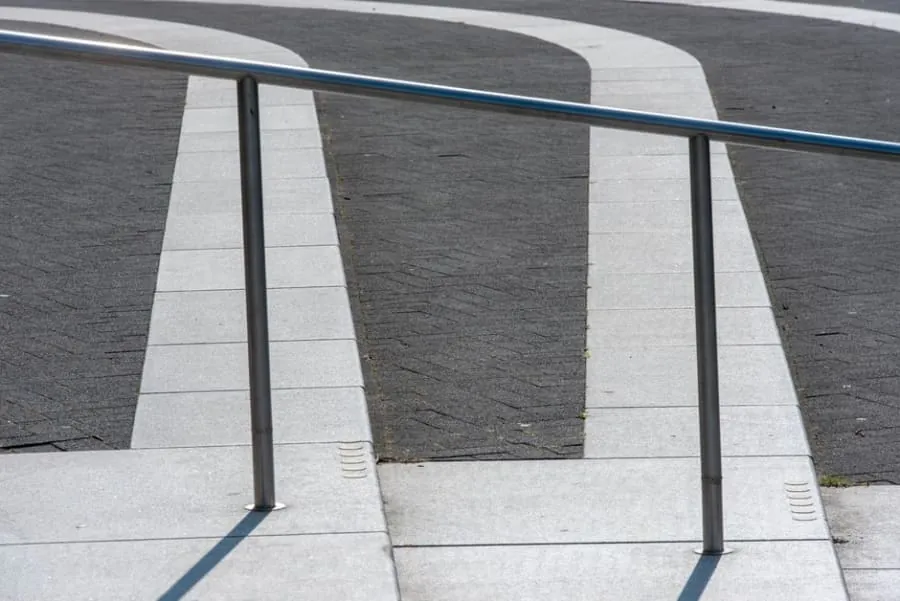
Sandstone asks for periodic cleaning, occasional re-pointing, and moss control in a damp garden. Resin asks for an occasional sweep and rinse and little else, as we cover in our resin cleaning guide. If you factor in that ongoing upkeep, resin’s near-zero maintenance often makes it the better long-term value even where the starting prices are close.
So, Which for Your Rochdale Garden?
If you love the character of natural stone and are happy to keep on top of cleaning and the odd re-point, Indian sandstone is a lovely, traditional choice - especially against a period property. If you want a smooth, modern, permeable surface that drains Rochdale’s rain and barely needs touching, resin bound is the easier surface to live with.
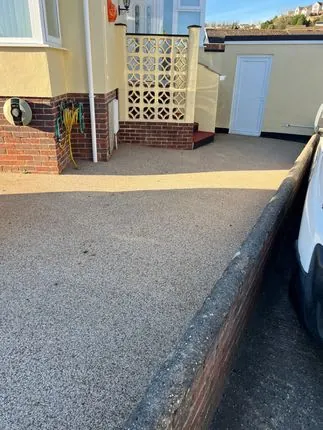
For a lot of the borough’s damp, shaded gardens, the drainage and low upkeep make resin the practical winner - but the look is yours to judge. We are happy to bring blend samples on a free site visit so you can see resin against your own garden before deciding between it and stone.
Frequently Asked Questions
Is resin better than Indian sandstone?
It depends what you want, but for a low-maintenance, free-draining surface in a wet borough like Rochdale, resin bound has real advantages. Indian sandstone is a beautiful natural slab but it is usually laid on mortar, so it is not permeable, and its joints grow weeds and moss. Resin is smooth, jointless and permeable. Sandstone wins on that solid, natural-slab character; resin wins on drainage and upkeep.
Does Indian sandstone get slippery?
It can, especially in Rochdale’s damp climate. Natural sandstone holds moisture and readily grows algae and moss in shaded, wet spots, which makes it slippery underfoot and means regular cleaning. A resin bound surface has exposed aggregate that gives natural grip, and because it drains freely there is less standing water to feed algae or freeze in winter.
Is resin or sandstone cheaper?
The two are broadly comparable and both sit above budget options like basic slabs or gravel. Sandstone’s cost depends on the stone grade and the labour to lay and point every slab; resin’s depends on the aggregate and groundwork. Over time, resin’s near-zero maintenance can make it the better value, since sandstone needs periodic cleaning and occasional re-pointing.
Can you lay resin over an old sandstone patio?
Sometimes. If the sandstone patio is solid, level and well-laid, a resin surface can occasionally go over it - but because sandstone is usually bedded on mortar it may not drain, so the base has to be assessed carefully first. In many cases the better result comes from lifting the slabs and laying a proper permeable base. We check this on a free site visit.
Ready to get started? Get a free, no-obligation quote in Rochdale.