
18 August 2026
7 Resin Driveway Myths Rochdale Homeowners Still Believe
Resin driveways have been around in the UK for well over two decades, but the myths about them refuse to die. Some are out-of-date facts from the early days of the product, some are confusion with completely different surfaces, and a few are kept alive by cheap installers whose corner-cutting makes the myth true - but only for their jobs. If you are weighing up a resin drive in Rochdale, you have probably heard at least three of these from a neighbour, a forum, or a bloke in the pub. Here are the seven we hear most across the borough, and what the facts actually say - including the grain of truth hiding inside a couple of them.
Myth 1: “Resin Driveways Go Yellow”
This is the most stubborn one, and it has a real origin. Early and budget resin systems used aromatic resins, which discolour in sunlight - the binder itself turns yellow and cloudy within a few years, dragging the whole surface with it. People saw those drives and the reputation stuck.

The fact: modern UV-stable (aliphatic) resin does not do this. The stone keeps its natural colour and the binder stays clear for decades - it is one of the main things you are paying for in a quality quote. The catch is that budget installers still use the cheaper resin, because on day one the two look identical. The myth is not dead because the corner-cutting is not dead. Ask which resin is specified, in writing, and this myth never becomes your problem - it is one of the checks we cover in our guide to how long a resin driveway lasts in Rochdale.
Myth 2: “They’re Slippery When Wet”
It looks smooth, so people assume it behaves like polished concrete in the rain. Understandable - and wrong. A resin bound surface is exposed natural aggregate up close: thousands of small stones giving texture underfoot and under tyre, more like fine gravel that cannot move than a glazed surface.
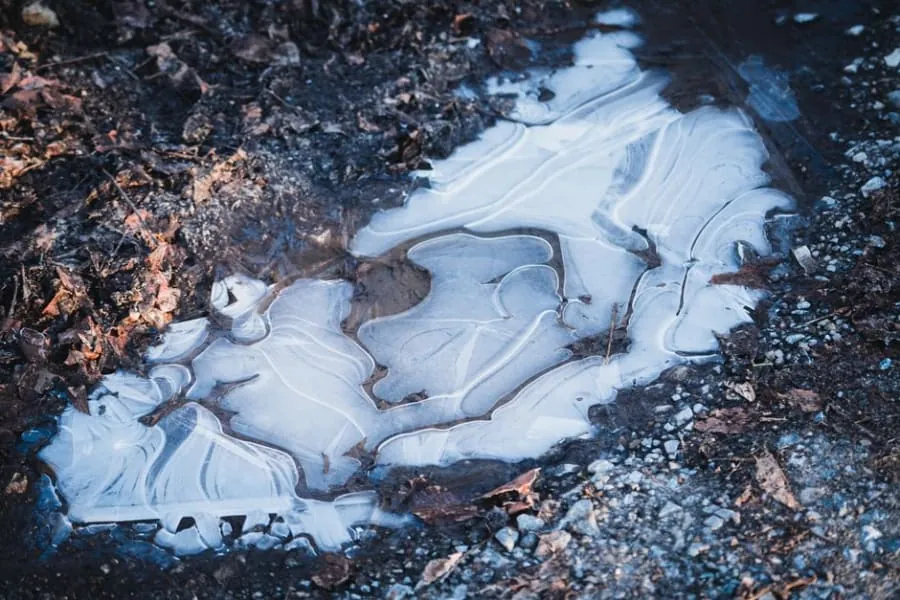
In a borough as wet as this one, the drainage matters even more than the texture. Because resin bound is permeable, rain passes through instead of sitting on top - so there is far less standing water to slip on, and far less to freeze into sheet ice on a Pennine frost night. The truly slippery winter surfaces in Rochdale are the sealed ones that hold water. On steeper plots we can also specify a coarser, more angular aggregate for extra bite, as we cover in our sloped driveways guide.
Myth 3: “You Need Planning Permission”
Plenty of Rochdale homeowners delay a new drive for months because they assume the council has to approve it. For resin bound, that is almost never true. Since 2008 the rule has hinged on drainage, not size: a permeable surface is permitted development at any size, while it is impermeable surfacing over five square metres that needs permission or a drainage route.

The Planning Portal’s front-garden paving guidance sets the rule out plainly, and resin bound passes it by design. The exceptions are the usual heritage ones - listed buildings, and conservation areas with an Article 4 direction - which we walk through in our full planning permission guide for Rochdale. For the vast majority of homes in the borough: no application, no fee, no wait.
Myth 4: “It Melts in Hot Weather”
This one is a straightforward case of mistaken identity. The surface that softens in a heatwave is tarmac - its bitumen binder loses stiffness above roughly 25°C, which is why hot summers leave tyre prints and scars across driveways all over Greater Manchester.

Resin bound is chemically different. Once the resin cures it becomes a thermoset - the reaction is one-way, and the material does not re-soften when the sun comes out. A UK heatwave is simply not warm enough to trouble it. If anything, the myth has it backwards: resin is what people in Rochdale switch to after watching a tarmac drive soften, scuff and fade through a few summers.
Myth 5: “It’s Just Posh Gravel - The Stones Come Loose”
Half right, which is what keeps it alive. There genuinely is a resin product that sheds stone: resin bonded, where dry aggregate is scattered over a layer of wet resin. The top stones are only partly stuck, so they work loose over time and scatter like gravel. People see that and assume all resin drives do it.

Resin bound - what we lay - is a different construction entirely. The stone and resin are mixed together before laying, so every stone is fully coated and locked to its neighbours through the full depth of the surface. Nothing sits loose on top, nothing scatters, and the finish stays smooth for its whole life. The one-word difference between bound and bonded is probably the most expensive vocabulary lesson in the driveway trade - our resin bound stone page explains the material properly.
Myth 6: “You Can’t Lay Resin in Rochdale’s Weather”
There is a kernel of truth here too, and it is worth respecting. Resin needs ground temperatures above roughly 5°C and a dry window to cure, and Rochdale - wet, high, and on the Pennine edge - hands out fewer of those windows than the south coast does. In the depths of winter, usable laying days genuinely are scarce.

But “harder in January” is not “impossible in Rochdale”. From late spring to early autumn the borough offers plenty of good conditions, and an experienced local installer plans around the forecast as a matter of routine - we cover the calendar in detail in our guide to the best time to install a resin driveway in Rochdale. Thousands of resin drives across Greater Manchester are the proof: the climate shapes the schedule, not the answer.
Myth 7: “It’s a Weekend DIY Job”
DIY resin kits exist, and the marketing makes it look like laying a big screed of glue and gravel. What the kits do not show: the properly dug, compacted, free-draining sub-base that decides whether the drive lasts; the forced-action mixer that blends resin and stone evenly; the experienced hands troweling to a consistent depth against the clock; and the weather window the whole thing has to happen inside. You get one attempt - the mix sets whether you are finished or not.
A meaningful share of the failed resin drives we are asked to look at across Rochdale were DIY attempts or rock-bottom quotes, and the fix is usually a full relay - the expensive way to save money. If you want the job to carry a guarantee worth having, use a proper installer and check them out first; TrustMark’s home improvement guidance is a sensible vetting starting point.
The Truth Underneath All Seven
Look back across the list and a pattern appears: almost every resin myth is either another product’s fault (tarmac’s melting, bonded’s loose stone, aromatic resin’s yellowing) or a bad installer’s fault (DIY-grade bases, cut-price materials). The surface itself, properly specified and properly laid, does none of these things - which is exactly why it keeps growing across Rochdale’s terraces, semis and new estates alike.
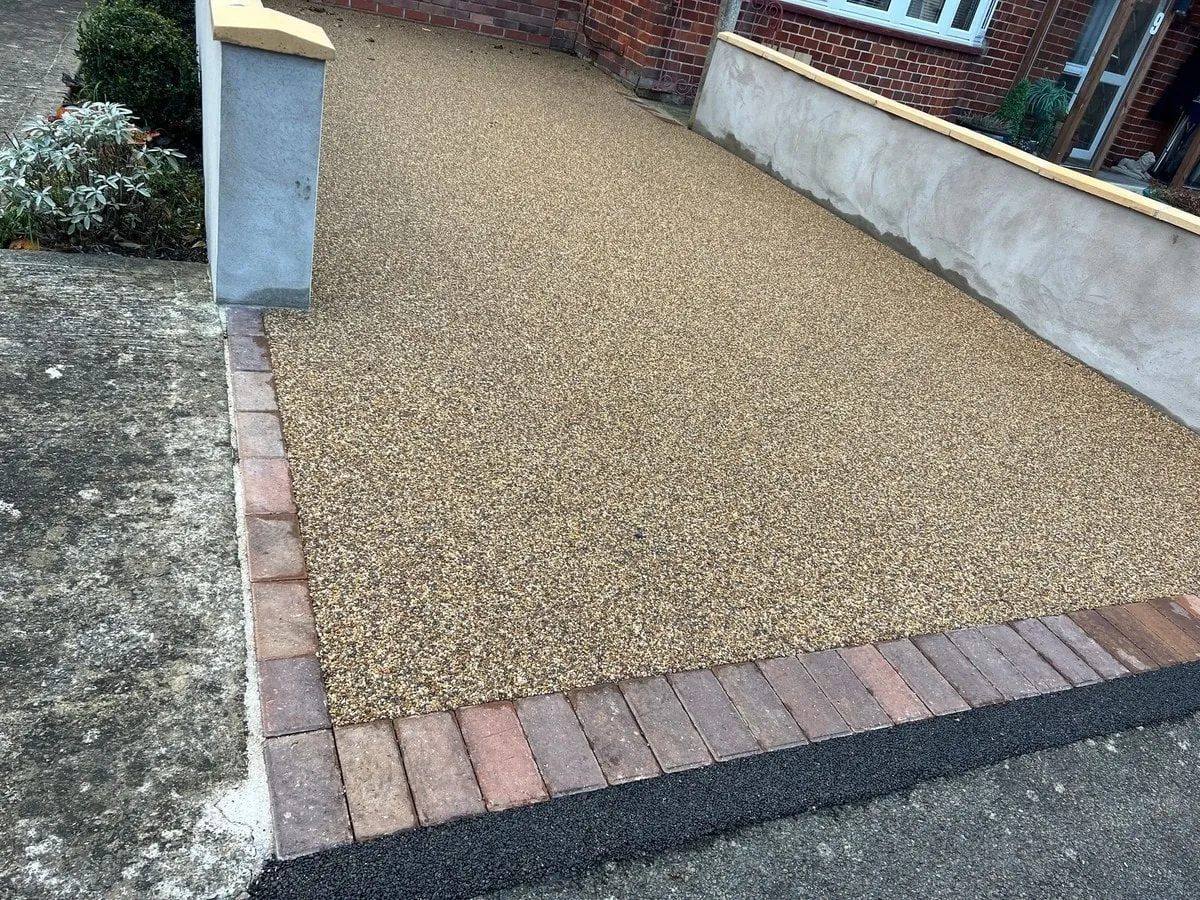
So the practical advice is simple: judge resin by a good installation, not by the horror stories, and make the two checks that kill every myth at once - a UV-stable resin and a properly built permeable base, both in writing. We are happy to talk through any of these worries on a free site visit anywhere in the borough, and to show you local drives that have been quietly disproving the myths for years.
Frequently Asked Questions
Do resin driveways go yellow?
Only cheap ones. Yellowing happens when a non-UV-stable resin is used - sunlight discolours the binder within a few years. A quality aliphatic, UV-stable resin holds the natural stone colour true for decades. This myth survives because budget installers still cut this exact corner, so always ask which resin is being quoted before you sign.
Are resin driveways slippery when wet?
No - a properly laid resin bound surface is naturally grippy. Up close the finish is exposed natural aggregate, which gives texture underfoot and under tyre. And because the surface is permeable, rain drains through rather than sitting on top, so there is less standing water and less winter ice than on a sealed drive. Extra-grip aggregates can be specified for slopes.
Do resin driveways melt in hot weather?
No - that is tarmac. Tarmac is bound with bitumen, which softens above roughly 25°C and takes tyre marks in a heatwave. Resin bound cures through a chemical reaction into a thermoset material that does not re-soften in the sun. A Rochdale summer will not touch it - the surface that suffers in heat is the one resin usually replaces.
Can you DIY a resin driveway?
In theory kits exist; in practice it is a poor idea. Resin bound needs a properly built free-draining sub-base, a forced-action mixer, an experienced troweling team, and a dry, warm window to cure - and you get one chance to lay it before it sets. Nearly every failed resin drive we are asked to rescue in Rochdale was either a DIY attempt or a cut-price job.
Ready to get started? Get a free, no-obligation quote in Rochdale.